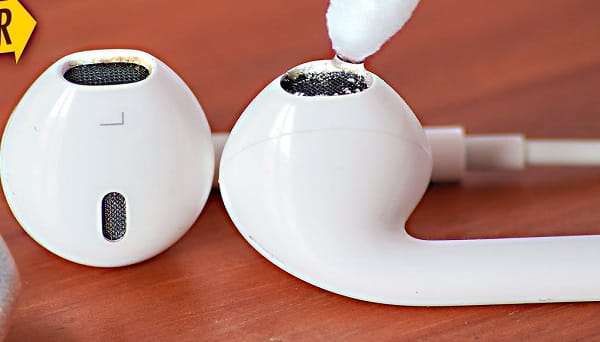
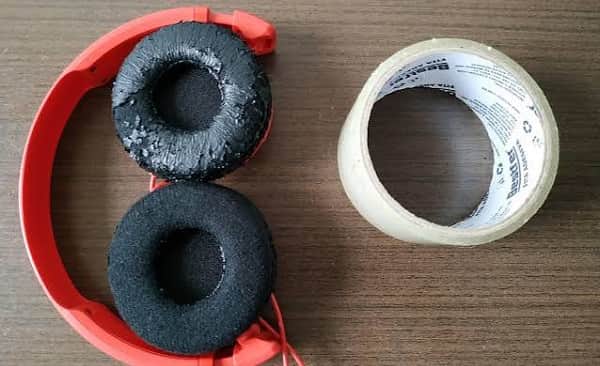
Two headphones can look almost identical yet perform very differently in a noisy metro, open office or crowded airport. One relies on thick ear cushions to block sound, while the other uses microphones and electronic processing to reduce background noise.
This difference matters because active noise cancelling headphones usually cost more, require battery power and may not suit every listener. Passive isolation can be enough in many situations. The smarter choice depends on where you listen, how long you wear headphones and what type of noise surrounds you.
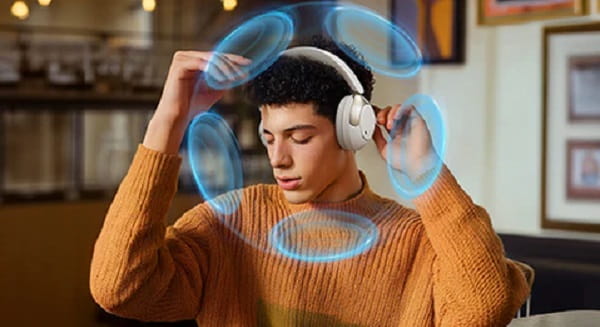
Choose Active Noise Cancelling for Regular Travel
Active noise cancellation is especially useful against steady, low-frequency sounds. Aircraft engines, train movement, bus vibration and air-conditioning systems create continuous noise that ANC technology can reduce effectively.
Frequent travellers may find that music, podcasts and films remain clear at a lower volume. This can make long journeys less tiring and reduce the temptation to overpower outside noise with louder audio.
Passive headphones can soften travel noise, but they usually cannot reduce the deep mechanical hum as effectively as a good ANC model.
Use ANC in Open Offices and Shared Spaces
An open office may contain air conditioners, computer fans, distant conversations and constant movement. Active noise cancelling headphones can create a calmer environment for writing, studying or handling detailed tasks.
ANC is most effective against steady background sound. It will not completely remove nearby voices, sudden laughter, ringing phones or keyboard clicks. Well-fitted ear cushions still play an important role.
Many ANC headphones also provide transparency or ambient modes. These allow outside sound through when you need to hear announcements or speak with a colleague without removing the headphones.
Select Passive Headphones for Simple Home Listening
A quiet bedroom or private office may not require active noise cancellation. Closed-back headphones with good ear cushions can block enough outside sound for music, online classes and video calls.
Passive models are generally more affordable and do not depend on electronic noise-cancelling circuits. They can continue working through a cable even when there is no battery, provided the model supports wired listening.
For occasional use in a peaceful environment, paying extra for ANC may provide little practical benefit.
Consider ANC When You Listen for Long Hours
Background noise creates listening fatigue because the brain keeps separating audio from the environment. ANC can make long work sessions and journeys more comfortable by lowering that constant distraction.
However, some users experience a feeling of pressure, mild discomfort or dizziness when strong noise cancellation is enabled. Testing the headphones before purchase is helpful, especially when you plan to wear them for several hours daily.
Models with adjustable ANC levels may feel more comfortable than products that operate only at maximum strength.
Prefer Passive Isolation for Exercise and Outdoor Awareness
Strong active noise cancellation may be unsafe while running near traffic or cycling outdoors. Hearing horns, approaching vehicles and public warnings is essential.
Sports users may prefer secure passive earbuds or headphones with an ambient-awareness mode. Some ANC earphones are designed for workouts, but water resistance and fit should be checked carefully.
Never depend entirely on transparency mode in dangerous environments. Electronic microphones may not reproduce every important sound instantly or accurately.
Think About Battery Life and Charging
ANC headphones require power for microphones and audio processing. When the battery becomes low, noise cancellation may stop, and some models may lose wireless playback entirely.
Passive headphones avoid this concern. They are useful for users who frequently forget to charge devices or need reliable wired listening during long work sessions.
If choosing ANC, check battery life with noise cancellation turned on, not only the larger figure advertised for normal playback.
Compare Sound Quality, Not Only Noise Reduction
Poorly designed ANC can affect bass, create a faint hiss or change the sound when the feature is switched on. A more expensive model is not automatically better for every listener.
Test vocals, speech, instrumental detail and comfort. Also check microphone quality when the headphones will be used for office calls.
Passive studio headphones may deliver more natural sound for music production, editing and home listening, particularly in quiet rooms.
When ANC Is Worth the Higher Price
Active noise cancelling is worth considering when you travel frequently, work in shared environments or struggle to hear content over steady background noise. Passive headphones remain better value for quiet spaces, wired listening and users who prefer simplicity.
The best option may be a well-built ANC headphone that also provides strong passive isolation. This combination continues blocking some noise even when the battery is empty.
FAQs
Q: Does active noise cancellation block all sound?
A: No. It works best against continuous low-frequency noise. Voices, horns and sudden sounds may still remain audible.
Q: Is ANC safe for daily use?
A: Yes, when used responsibly. Keep the volume moderate and take listening breaks. Stop using ANC if it causes pressure, dizziness or discomfort.
Q: Are passive headphones better for music quality?
A: Not always. Sound quality depends on the drivers, tuning and fit. Some passive headphones offer excellent natural sound, while premium ANC models can also perform very well.
Q: Can ANC headphones work without battery power?
A: Some models support wired passive playback when the battery is empty, while others do not. Check this feature before purchasing.