You pick up your wireless headphones, place them over your ears and notice tiny black flakes on your skin, clothes or desk. What once felt soft and premium now looks cracked, rough and untidy. This peeling usually starts slowly, but it can quickly make an otherwise working pair of headphones uncomfortable to use.
Flaking ear cushions are common because most headphone pads are exposed to sweat, skin oil, heat, pressure and repeated movement. The problem is not always a sign of poor-quality headphones. Even expensive models can develop peeling cushions when the material ages or is not maintained correctly. Understanding why it happens can help you slow the damage and decide whether cleaning or replacement is the better option.
Synthetic Leather Naturally Breaks Down
Many wireless headphones use ear cushions covered with polyurethane leather, commonly called PU leather or protein leather. It looks smooth, feels soft and is less expensive than genuine leather, but it does not last forever.
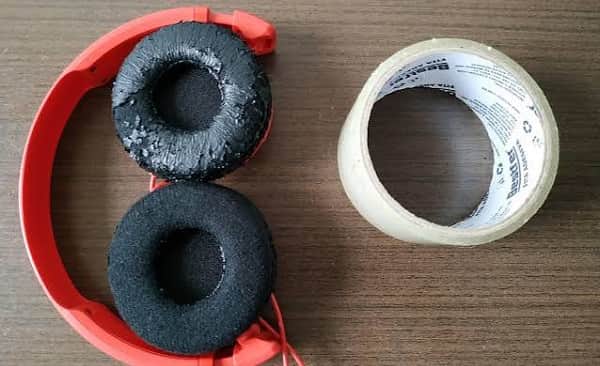
The outer coating gradually loses flexibility as the headphones age. Once it becomes dry, small cracks appear near the edges and stitched areas. Friction then causes the surface layer to peel away.
This type of wear is more common in headphones used daily for several hours. The internal foam may still be comfortable, but the outer covering begins separating from the fabric underneath.
Sweat and Skin Oil Speed Up Peeling
Ear cushions remain in direct contact with the skin, so they absorb sweat, natural oils, hair products and skincare residue. During workouts, travel or long gaming sessions, moisture can build up quickly.
These substances slowly weaken the cushion coating. Salt left behind after sweat dries can also make the material stiff and brittle. If the headphones are placed inside a closed case while still damp, the trapped moisture can accelerate deterioration.
Wiping the cushions after use is especially important in India’s hot and humid conditions, where sweat buildup is common even during normal indoor listening.
Heat and Humidity Damage the Material
Leaving headphones inside a parked car, near a sunny window or beside a heater can damage the ear pads. High temperatures soften some adhesives and dry out the outer coating.
Humidity creates a different problem. Moisture can collect between the cushion cover and foam, particularly when the headphones are stored in a closed bag. Repeated exposure to damp and dry conditions causes the material to expand and contract, making cracks more likely.
Store the headphones in a cool, dry place with enough ventilation. Avoid leaving them in direct sunlight, even when they are inside a protective case.
Regular Friction Wears Away the Surface
Every time the headphones are worn or removed, the cushions rub against the skin, hair and spectacles. People who wear glasses may notice peeling around the areas where the frame touches the ear pads.
The cushions also experience pressure when the headphones are stored tightly inside a bag or placed with heavy objects. Folding models may develop extra wear where the ear pads touch the headband or each other.
Handle the headphones by the headband rather than pulling directly on the cushions. This reduces stretching around the edges.
Harsh Cleaning Products Can Cause Cracking
Strong alcohol, surface disinfectants, perfume, bleach and household cleaners should not be used on headphone cushions unless the manufacturer specifically approves them.
These products may remove the protective finish and leave the material dry. Even frequent use of wet wipes containing alcohol can shorten cushion life.
Use a soft microfiber cloth slightly dampened with water. For oily buildup, add a tiny amount of mild soap, wipe gently and then clean again with a separate damp cloth. Do not soak the cushions, and allow them to air-dry before wearing or storing the headphones.
Poor Storage Changes the Cushion Shape
Ear pads can crack faster when headphones are kept under constant pressure. Stuffing them into a crowded drawer or tight backpack compresses the foam and stretches the outer cover.
Use the original case when available, but make sure the headphones are dry first. Do not wrap charging cables tightly around the ear cups because this can press against the cushion surface.
For long-term storage, keep the ear cups in their natural position and avoid placing weight on top of them.
When Ear Cushions Should Be Replaced
Replacement is usually the best option when the surface is peeling heavily, the foam has become flat or the cushions no longer create a proper seal around the ears.
A poor seal affects more than comfort. It can reduce bass, weaken active noise cancellation and allow outside noise to enter. Worn pads may also hold sweat and odour even after cleaning.
Choose replacement cushions designed for the exact headphone model. Incorrect pads may block sensors, alter sound quality or fail to attach securely.
FAQs
Q: Can peeling headphone cushions be repaired?
A: Small cracks can sometimes be covered temporarily, but repairs rarely restore the original comfort or appearance. Replacement pads are generally a more reliable solution.
Q: How long do wireless headphone ear cushions usually last?
A: With regular use, synthetic leather cushions may last around one to three years. Climate, sweat, cleaning habits and daily usage can shorten or extend their life.
Q: Are fabric ear cushions more durable than leatherette pads?
A: Fabric and velour pads do not peel in the same way, but they can absorb more sweat and dust. They may also change sound isolation and bass response.
Q: Can I wash removable headphone ear cushions?
A: Only if the manufacturer confirms that they are washable. Synthetic leather pads should normally be wiped rather than soaked, because water can damage the foam and adhesive.