The idea that global brands automatically hold an advantage over Indian ones in the fast-moving consumer goods space has been eroding for years, and the pace of that erosion has picked up. Domestic brands now compete directly with multinational companies across categories that were once considered difficult to enter, from personal care to packaged foods to beverages, and they do so with a mix of product quality, price positioning and distribution reach that makes the competition genuinely close in many segments.
The dynamics that favour Indian FMCG brands are not accidental. A company that has spent decades building supply chains, understanding regional taste preferences, and maintaining retailer relationships in Tier 2 and Tier 3 towns carries structural advantages that take years and significant capital for a foreign competitor to replicate. These are not soft advantages either. They show up in market share, in penetration numbers and in the kind of customer retention that comes from being genuinely familiar in a market rather than being adopted as a novelty or a prestige product.
What Makes Indian FMCG Brands Competitive at Scale
Distribution is the first point of difference that comes up in any honest analysis of Indian versus global FMCG competition. India’s retail landscape is dominated by small-format stores, kiosks, and neighbourhood shops that operate on thin margins and limited shelf space. A brand that has spent years building relationships with this network, that has field sales teams operating in rural and semi-urban markets, and that has pricing calibrated to what these formats can move is in a different position from a brand that arrived in India with a strategy built around modern trade and urban supermarkets. Global brands have invested to close this gap, but the gap has not disappeared.
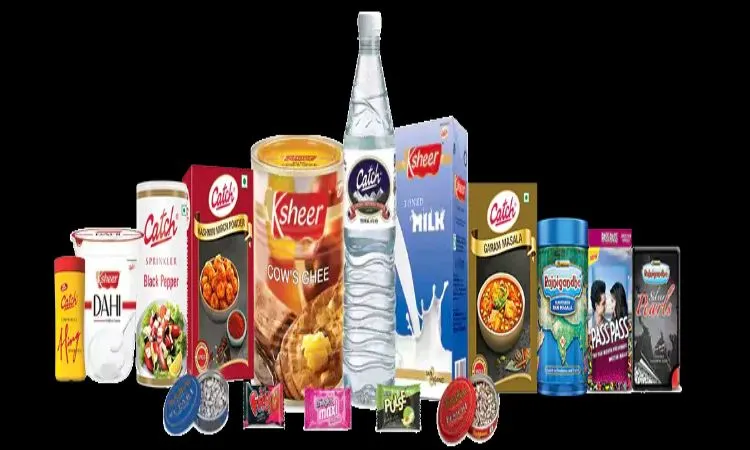
Product localisation is another area where Indian companies have historically held ground. A spice brand that has developed variants specific to regional cuisines, or a snack brand that has built flavours around locally familiar taste profiles, is solving for the market in a way that a standardised global product cannot without significant reformulation. This is where category expertise built over time becomes a real competitive factor rather than just a positioning claim. Among the top FMCG brands in India, DS Group operates across multiple categories, including confectionery, spices, mouth fresheners, tobacco, and food services, giving it a breadth of consumer touchpoints that enable it to build familiarity across different consumption occasions and demographics. You can get a broader view of the portfolio and the categories the group operates across through the main overview of the top FMCG brands in India, which covers the range of brands under the DS Group umbrella.
Categories Where Indian Brands Lead
Spices and condiments remain one of the clearest categories of domestic strength. Global players have entered this space, but the local knowledge required to get a masala blend right for a specific regional market is substantial, and Indian brands with decades of formulation experience have a genuine advantage here. The same is true for certain categories of packaged snacks and traditional confectionery, where the flavour reference points are deeply local and do not translate from a global product template without significant modification.
The personal care segment has seen a more contested dynamic, with Indian brands successfully holding market share against global entrants on the back of ayurvedic and natural-ingredient positioning that connects with long-standing consumer preferences. The growth of several Indian personal care brands over the past decade reflects both the strength of this positioning and the effectiveness of their distribution reach in markets outside major cities.
Beverages, particularly in the non-carbonated category, have seen strong domestic brand performance. Regional drink traditions, local fruit-based beverages, and traditional preparation methods have been adapted for packaging and now compete directly with carbonated soft drink brands across price points. The growth of this segment reflects that consumer preferences in India have not uniformly aligned with global category norms.
Price point management is a structural advantage that Indian brands tend to maintain more consistently than their global counterparts. The ability to offer a product at a price point that makes sense for a consumer who is spending carefully in a small-town market, while maintaining category quality, requires deep supply chain control and operational efficiency. Indian FMCG companies that have built this over the years are not easily displaced, and the competition between domestic and global players in this space is likely to remain close for the foreseeable future across most categories.