The living room is the heart of an Indian home — a space where families gather for daily conversations, watch television, celebrate festivals like Diwali, host guests, and create memories over countless cups of chai. Proper lighting transforms this multi-functional area from merely functional to warm, inviting, and visually appealing. In India, where living rooms often accommodate joint families and serve both traditional and modern purposes, thoughtful lighting design is essential. It affects mood, energy levels, and even the perception of space in often compact urban apartments.
Here are the 5 best lighting ideas for Indian living rooms that blend practicality, aesthetics, and cultural relevance.
1. Layered Lighting Approach
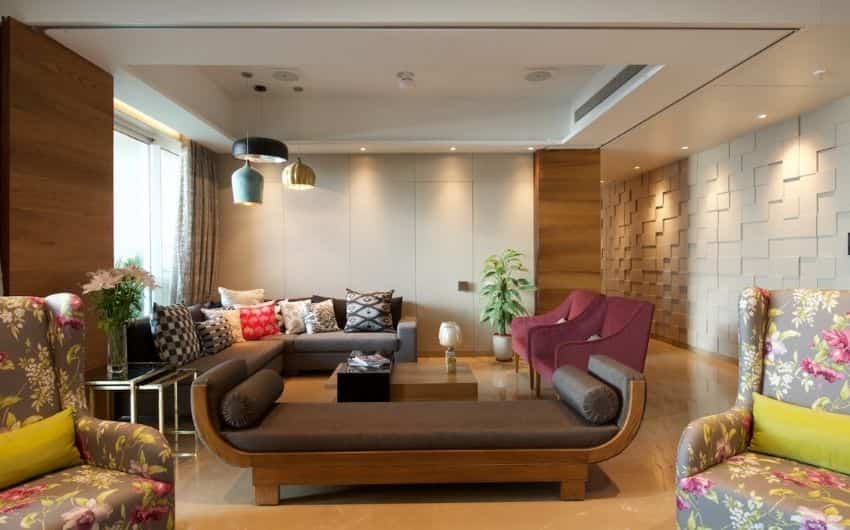
The most effective lighting strategy is using multiple layers — ambient, task, and accent lighting.
- Ambient Lighting: Provides overall illumination. Use ceiling lights, recessed LEDs, or a central pendant/chandelier.
- Task Lighting: Focused lights for reading or specific activities — floor lamps, table lamps near sofas.
- Accent Lighting: Highlights artwork, pooja corners, or architectural features using wall sconces, picture lights, or LED strips.
Why it works for Indian homes: Indian living rooms host everything from quiet evenings to festive gatherings. Dimmable layered lighting allows flexibility — bright for cleaning or celebrations, soft for relaxed family time. This approach also makes small rooms feel larger and more dynamic.
2. Warm LED Lighting with Smart Controls
Warm white lighting (2700K–3000K) creates a cozy, welcoming atmosphere that suits Indian aesthetics.
- Install dimmable LED bulbs and fixtures for adjustable brightness.
- Integrate smart lighting systems (compatible with Alexa or Google Home) to control intensity and colour temperature via mobile apps.
- Use warm LEDs for main lighting and slightly cooler tones for task areas.
Benefits: Warm lighting enhances the golden glow of diyas during festivals and makes the space feel homely. Smart controls help save electricity — crucial with rising power costs — and allow scene settings for different occasions (bright for cleaning, romantic for evenings).
3. Statement Chandeliers and Pendant Lights
A beautiful chandelier or cluster of pendant lights serves as a focal point.
- Choose designs that blend traditional Indian motifs (lotus, peacocks) with modern minimalism.
- For smaller rooms, opt for slim, elegant chandeliers or multiple smaller pendants at varying heights.
- Crystal or brass-finished pieces work beautifully with traditional Indian decor.
Impact: These create a luxurious first impression and enhance the festive mood during celebrations. Position them centrally above the seating area for maximum visual appeal.
4. Wall Sconces and Uplighters
Wall-mounted lights add depth and elegance without taking floor space.
- Install sconces on either side of sofas or on feature walls.
- Use uplighters in corners to wash walls with soft light, making ceilings appear higher.
- Combine with mirrors to amplify light and create an illusion of space.
Why suitable: In compact Indian apartments, wall lighting maximizes limited floor area while adding a sophisticated touch. It works well with both contemporary and ethnic interiors.
5. Functional and Decorative Floor Lamps
Floor lamps offer flexibility and style.
- Choose arc floor lamps for sofas or reading corners.
- Tripod or wooden floor lamps complement traditional Indian furniture.
- Opt for models with adjustable heads and dimmers.
Advantage: They provide task lighting while serving as decorative elements. Easy to move around as per seating arrangements during gatherings.
Additional Practical Tips for Indian Living Rooms
- Vastu Considerations: Place main lighting in the southeast or east direction for positive energy. Avoid beams directly above seating areas.
- Energy Efficiency: Always choose BEE 5-star rated LED fixtures to keep electricity bills low.
- Maintenance: Clean light fixtures regularly, especially during festivals when dust and smoke accumulate.
- Budget Planning: Allocate 8–12% of your interior budget to lighting. Mix affordable basic lights with a few statement pieces.
- Festive Readiness: Install smart lights or dimmers that can create festive moods with warm, golden tones during Diwali or other celebrations.
Conclusion
Well-planned lighting can elevate an ordinary living room into a warm, functional, and beautiful space that truly reflects Indian family life. By adopting layered lighting, warm tones, statement fixtures, wall sconces, and flexible floor lamps, you can create an environment that supports daily activities and festive celebrations alike.
Take time to assess your room’s natural light, seating layout, and usage patterns before finalizing your lighting plan. Consult a good interior designer or experienced electrician for complex installations. Investing thoughtfully in lighting will enhance comfort, mood, and the overall aesthetic of your home for years to come. A beautifully lit living room is where your family gathers, bonds, and creates memories — make sure it shines.
FAQ
Q1: What is the ideal colour temperature for Indian living rooms?
A. Warm white (2700K–3000K) is ideal as it creates a cozy, welcoming atmosphere suitable for family gatherings and festivals.
Q2: How many lights should I have in my living room?
A. Use the layered approach — one main ambient light, 2–3 task lights, and 2–4 accent lights depending on room size.
Q3: Are smart lights worth the investment?
A. Yes. They offer flexibility, energy savings, and convenience, especially useful during festivals and for elderly family members.
Q4: What lighting works best for small Indian living rooms?
A. Layered lighting with wall sconces, mirrors, and light colours helps create an illusion of space.
Q5: Should I use chandeliers in modern apartments?
A. Yes, slim and elegant chandeliers or pendant clusters work beautifully even in compact modern spaces.
Q6: How do I balance lighting for daily use and festive occasions?
A. Dimmable lights and smart systems allow easy switching between bright everyday lighting and warm, festive moods.
Q7: What is the best way to light a pooja corner?
A. Soft, warm accent lighting with wall sconces or LED strips creates a serene and sacred atmosphere.