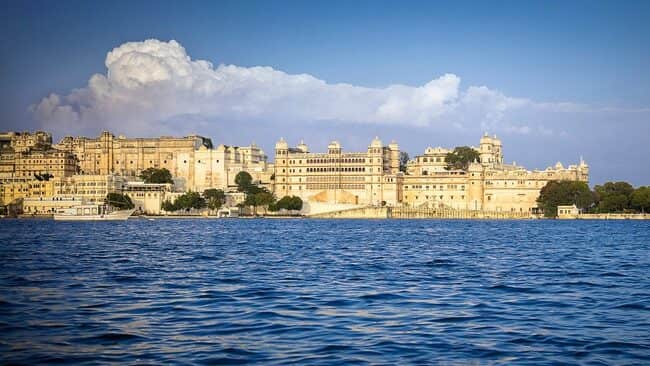
India’s forts are much more than old stone walls and massive gateways—they are living symbols of courage, royal heritage, architectural brilliance, and centuries of fascinating history. From the majestic hill forts of Rajasthan to the sea-facing forts of Maharashtra and the mighty strongholds of South India, every fort has a unique story to tell. Walking through these historic monuments gives you a glimpse into the lives of kings, queens, warriors, and empires that shaped India’s past.
For travellers, visiting a fort is not just about sightseeing. It’s an opportunity to admire spectacular architecture, enjoy panoramic views, witness light and sound shows, explore museums, and experience local culture. Whether you’re planning a family vacation, a history-focused trip, or a photography tour, India’s forts offer unforgettable experiences throughout the year.
Here are the Top 10 Forts to Visit in India that should be on every travel enthusiast’s bucket list.
Overview Table
| Fort | State | Best Time to Visit | Famous For | UNESCO Status |
|---|---|---|---|---|
| Amer Fort | Rajasthan | October–March | Rajput architecture and Sheesh Mahal | Part of Hill Forts of Rajasthan |
| Mehrangarh Fort | Rajasthan | October–March | Massive walls and city views | No |
| Red Fort | Delhi | October–March | Mughal architecture and Independence Day celebrations | Yes |
| Chittorgarh Fort | Rajasthan | October–March | Rajput history and विजय स्तंभ (Victory Tower) | Part of Hill Forts of Rajasthan |
| Gwalior Fort | Madhya Pradesh | October–March | Palaces and Jain sculptures | Tentative UNESCO List |
| Jaisalmer Fort | Rajasthan | October–March | Living fort and golden sandstone architecture | Yes |
| Golconda Fort | Telangana | October–February | Acoustic engineering and light show | No |
| Agra Fort | Uttar Pradesh | October–March | Mughal palaces and Yamuna River views | Yes |
| Raigad Fort | Maharashtra | October–February | Capital of Chhatrapati Shivaji Maharaj | No |
| Bekal Fort | Kerala | October–March | Seaside fort and Arabian Sea views | No |
1. Amer Fort, Rajasthan
Located just outside Jaipur, Amer Fort is one of India’s finest examples of Rajput architecture. Built with red sandstone and marble, the fort is known for its grand courtyards, ornate gateways, and beautifully decorated palaces.
Major attractions include:
- Sheesh Mahal (Mirror Palace)
- Diwan-e-Aam
- Ganesh Pol
- Maota Lake
- Royal courtyards
The evening light and sound show explains the fort’s history in an engaging way.
Best Time: October to March
2. Mehrangarh Fort, Rajasthan
Standing high above Jodhpur, Mehrangarh Fort is one of the largest and best-preserved forts in India. Its towering walls dominate the city’s skyline and offer breathtaking views of the famous Blue City.
Highlights include:
- Royal museum
- Beautiful palaces
- Historic cannons
- Intricate carvings
- Panoramic viewpoints
Adventure enthusiasts can also enjoy the zipline experience around the fort.
3. Red Fort, Delhi
The Red Fort is one of India’s most iconic historical monuments and a UNESCO World Heritage Site. Built by Emperor Shah Jahan in the 17th century, it served as the main residence of the Mughal emperors.
Top attractions include:
- Lahori Gate
- Diwan-e-Khas
- Diwan-e-Aam
- Rang Mahal
- Museums
Every year on Independence Day, the Prime Minister hoists the national flag from the Red Fort.
4. Chittorgarh Fort, Rajasthan
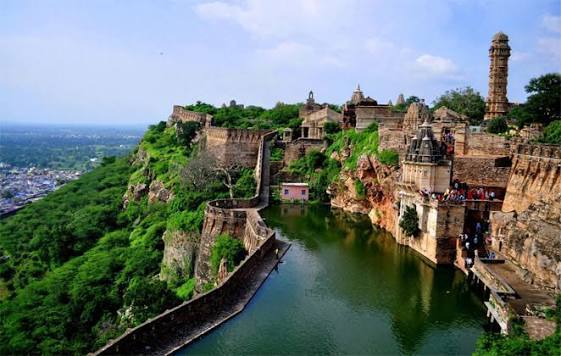
Spread across a vast hilltop, Chittorgarh Fort is the largest fort in India and a powerful symbol of Rajput bravery and sacrifice.
Important attractions include:
- Vijay Stambh (Victory Tower)
- Kirti Stambh
- Rana Kumbha Palace
- Padmini Palace
- Gaumukh Reservoir
The fort’s rich history and impressive architecture make it one of Rajasthan’s most significant heritage sites.
5. Gwalior Fort, Madhya Pradesh
Often called the “Gibraltar of India,” Gwalior Fort has witnessed the rise and fall of several dynasties over the centuries.
Visitors can explore:
- Man Singh Palace
- Sas Bahu Temples
- Teli Ka Mandir
- Jain rock-cut sculptures
- Gwalior Fort Museum
The colourful tile work and impressive fortifications make it one of central India’s finest monuments.
6. Jaisalmer Fort, Rajasthan
Unlike most historic forts, Jaisalmer Fort is still a living fort where thousands of people continue to reside within its walls.
Major attractions include:
- Jain Temples
- Raj Mahal
- Narrow heritage streets
- Local handicraft shops
- Rooftop cafés
Constructed from golden sandstone, the fort glows beautifully during sunrise and sunset, giving Jaisalmer its nickname, the “Golden City.”
7. Golconda Fort, Telangana
Golconda Fort is famous for its remarkable acoustic engineering and its association with the legendary Golconda diamonds.
Highlights include:
- Fateh Darwaza
- Royal palaces
- Secret passages
- Massive gateways
- Evening light and sound show
Climbing to the highest point rewards visitors with panoramic views of Hyderabad.
8. Agra Fort, Uttar Pradesh
Located close to the Taj Mahal, Agra Fort is another UNESCO World Heritage Site that showcases the grandeur of Mughal architecture.
Major attractions include:
- Jahangiri Mahal
- Khas Mahal
- Musamman Burj
- Diwan-e-Khas
- Amar Singh Gate
Several sections of the fort offer beautiful views of the Taj Mahal across the Yamuna River.
9. Raigad Fort, Maharashtra
Raigad Fort served as the capital of the Maratha Empire under Chhatrapati Shivaji Maharaj and remains one of Maharashtra’s most important historical landmarks.
Visitors can see:
- Raj Bhavan ruins
- Maha Darwaza
- Jagdishwar Temple
- Shivaji Maharaj’s Samadhi
- Ropeway
The trek to the fort is popular among adventure enthusiasts, while the ropeway provides easier access.
10. Bekal Fort, Kerala
Bekal Fort is Kerala’s largest fort and one of the country’s most picturesque coastal forts.
Its location beside the Arabian Sea creates stunning scenery.
Top attractions include:
- Observation tower
- Coastal walking paths
- Bekal Beach
- Beautiful gardens
- Sunset viewpoints
The fort has also been featured in several Indian films due to its spectacular setting.
Why Visit India’s Historic Forts?
India’s forts offer much more than historical significance.
Visitors can experience:
- Magnificent architecture
- Museums showcasing royal artefacts
- Cultural performances
- Photography opportunities
- Panoramic city and landscape views
- Traditional local markets nearby
- Light and sound shows
Each fort reflects the unique culture and architectural style of the dynasty that built it.
Tips for Visiting Forts
To make your trip comfortable and enjoyable:
- Visit early in the morning or late afternoon to avoid strong sunlight.
- Wear comfortable walking shoes, as many forts involve climbing stairs and uneven pathways.
- Carry drinking water, sunscreen, sunglasses, and a hat.
- Hire an authorised guide if you’re interested in the fort’s history.
- Check the opening hours before visiting.
- Respect restricted areas and avoid touching ancient carvings or monuments.
- Carry a camera, as most forts offer excellent photography opportunities.
Planning at least half a day for larger forts allows enough time to explore them properly.
Best Time to Visit Forts in India
The ideal season for visiting most forts is October to March, when the weather is pleasant for sightseeing.
During this period:
- Comfortable temperatures
- Better photography conditions
- Easier walking and climbing
- Numerous cultural festivals
Summer afternoons can be extremely hot, particularly in Rajasthan and central India, so early morning visits are recommended.
FAQs
Q1. Which is the largest fort in India?
A. Chittorgarh Fort in Rajasthan is the largest fort in India, covering approximately 700 acres and featuring numerous palaces, temples, towers, and reservoirs.
Q2. Which fort is still inhabited?
A. Jaisalmer Fort is one of the world’s few living forts, where residents continue to live, work, and operate shops, hotels, and restaurants within its historic walls.
Q3. Which fort offers the best light and sound show?
A. The Red Fort in Delhi and Golconda Fort in Hyderabad are well known for their engaging light and sound shows that bring the history of these monuments to life through narration, music, and visual effects.
Q4. Which forts are UNESCO World Heritage Sites?
A. The Red Fort, Agra Fort, and Jaisalmer Fort are UNESCO World Heritage Sites. Additionally, Amer Fort and Chittorgarh Fort are included as part of the Hill Forts of Rajasthan, a UNESCO World Heritage property.