India is the birthplace of Buddhism, making it one of the most spiritually significant destinations for Buddhist pilgrims and cultural travellers. Across the country, ancient monasteries nestled in the Himalayas, peaceful meditation centres, and centuries-old temples preserve the teachings of Lord Buddha while offering breathtaking architecture and serene surroundings. Whether you are seeking spiritual peace, historical knowledge, or scenic mountain landscapes, visiting these monasteries is a truly enriching experience.
From the snow-covered valleys of Ladakh and Himachal Pradesh to the monasteries of Sikkim and Arunachal Pradesh, each monastery has its own traditions, festivals, and architectural style. Many of them welcome visitors interested in meditation, Buddhist art, and local culture. If you’re planning a heritage tour or a peaceful mountain getaway, these monasteries deserve a place on your travel itinerary.
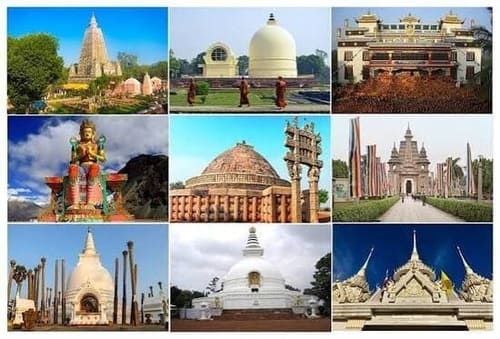
Here are the Top 10 Buddhist Monasteries in India that every traveller should visit.
Overview Table
| Monastery | State/UT | Best Time to Visit | Famous For | Buddhist Tradition |
|---|---|---|---|---|
| Hemis Monastery | Ladakh | May–September | Hemis Festival and ancient relics | Drukpa Kagyu |
| Tawang Monastery | Arunachal Pradesh | March–May, September–November | India’s largest monastery | Gelug |
| Rumtek Monastery | Sikkim | March–June, September–November | Golden Stupa and Tibetan architecture | Karma Kagyu |
| Thiksey Monastery | Ladakh | May–September | Giant Maitreya Buddha statue | Gelug |
| Diskit Monastery | Ladakh | May–September | 32-metre Maitreya Buddha statue | Gelug |
| Namdroling Monastery | Karnataka | October–March | Golden Temple and Tibetan settlement | Nyingma |
| Key Monastery | Himachal Pradesh | June–October | Hilltop monastery overlooking Spiti Valley | Gelug |
| Mindrolling Monastery | Uttarakhand | October–April | Great Stupa and meditation centre | Nyingma |
| Ghoom Monastery | West Bengal | October–May | Oldest Tibetan monastery in Darjeeling | Gelug |
| Enchey Monastery | Sikkim | March–June, September–November | Traditional Cham dance festival | Nyingma |
1. Hemis Monastery, Ladakh
Hemis Monastery is one of the most famous Buddhist monasteries in India and the largest monastery in Ladakh. Surrounded by rugged mountains, it is renowned for its colourful Hemis Festival, during which monks perform traditional masked dances known as Cham.
Highlights include:
- Ancient Buddhist scriptures
- Beautiful murals
- Gold statues
- Prayer halls
- Scenic mountain setting
The monastery’s peaceful atmosphere and rich heritage make it one of Ladakh’s top attractions.
Best Time: May to September
2. Tawang Monastery, Arunachal Pradesh
Perched at an altitude of around 10,000 feet, Tawang Monastery is the largest monastery in India and one of the biggest in the world.
Major attractions include:
- Massive prayer hall
- Giant Buddha statue
- Buddhist library
- Traditional monks’ quarters
- Panoramic Himalayan views
The monastery becomes especially vibrant during the annual Torgya Festival, which features colourful cultural performances and sacred rituals.
3. Rumtek Monastery, Sikkim
Located near Gangtok, Rumtek Monastery is one of the most important centres of Tibetan Buddhism in India.
Visitors can admire:
- Beautiful golden stupa
- Colourful prayer halls
- Intricate murals
- Peaceful gardens
- Traditional Tibetan architecture
The monastery offers excellent opportunities to observe monks’ daily prayers and rituals.
4. Thiksey Monastery, Ladakh
Often compared to the Potala Palace in Tibet, Thiksey Monastery is one of Ladakh’s most photographed monasteries.
Highlights include:
- 15-metre Maitreya Buddha statue
- Multi-level monastery complex
- Ancient scriptures
- Scenic sunrise views
- Meditation halls
Its hilltop location provides breathtaking views of the Indus Valley.
5. Diskit Monastery, Ladakh
Situated in the Nubra Valley, Diskit Monastery is famous for its towering 32-metre Maitreya Buddha statue, which overlooks the valley below.
Visitors can explore:
- Historic prayer halls
- Ancient murals
- Scenic viewpoints
- Traditional Buddhist ceremonies
The peaceful surroundings make it a wonderful place for meditation and photography.
6. Namdroling Monastery (Golden Temple), Karnataka
Located in Bylakuppe, Karnataka, Namdroling Monastery is one of the largest Tibetan Buddhist centres outside Tibet.
Major attractions include:
- Magnificent Golden Temple
- Three giant golden Buddha statues
- Colourful murals
- Beautiful gardens
- Meditation halls
The monastery attracts visitors from across the world for both spiritual retreats and architectural beauty.
7. Key Monastery, Himachal Pradesh
Standing dramatically on a hill overlooking the Spiti Valley, Key Monastery is over a thousand years old.
Highlights include:
- Ancient manuscripts
- Tibetan paintings
- Prayer wheels
- Stunning valley views
- Monastic life
Its remote location adds to the monastery’s peaceful charm.
The surrounding landscapes are ideal for photography and nature lovers.
8. Mindrolling Monastery, Uttarakhand
Located in Dehradun, Mindrolling Monastery is one of the largest Buddhist centres in India.
Visitors can enjoy:
- Great Stupa
- Meditation centre
- Beautiful gardens
- Buddhist museum
- Peaceful surroundings
The monastery is ideal for travellers seeking meditation, relaxation, and spiritual learning.
9. Ghoom Monastery, Darjeeling
Also known as Yiga Choeling Monastery, Ghoom Monastery is one of the oldest Tibetan monasteries in the Darjeeling region.
Major attractions include:
- 15-foot Maitreya Buddha statue
- Ancient Buddhist manuscripts
- Traditional architecture
- Prayer ceremonies
Its location near the famous Darjeeling Himalayan Railway makes it an easy addition to a sightseeing itinerary.
10. Enchey Monastery, Gangtok
Enchey Monastery is a peaceful monastery located on a hill overlooking Gangtok.
Visitors appreciate:
- Colourful Buddhist artwork
- Traditional architecture
- Prayer halls
- Cham dance festival
- Quiet surroundings
The monastery provides a calm escape from the busy town while offering beautiful views of the surrounding hills.
Why Visit Buddhist Monasteries?
These monasteries offer much more than religious significance.
Visitors can experience:
- Peaceful meditation environments
- Traditional Buddhist rituals
- Ancient murals and paintings
- Magnificent mountain scenery
- Colourful festivals
- Historic manuscripts
- Tibetan art and culture
- Local cuisine and handicrafts
Many monasteries also offer meditation sessions and opportunities to learn about Buddhist philosophy.
Tips for Visiting Monasteries
To make your visit respectful and enjoyable:
- Dress modestly by covering shoulders and knees.
- Maintain silence inside prayer halls.
- Remove footwear where required.
- Ask permission before photographing monks or religious ceremonies.
- Walk clockwise around stupas and prayer wheels, following local customs.
- Avoid disturbing meditation sessions.
- Carry warm clothing when visiting Himalayan monasteries, as temperatures can change quickly.
Respecting local traditions helps preserve the peaceful atmosphere of these sacred places.
Best Time to Visit Buddhist Monasteries
The ideal season depends on the location.
- Ladakh: May to September
- Spiti Valley: June to October
- Sikkim: March to June and September to November
- Arunachal Pradesh: March to May and September to November
- South India: October to March
Many monasteries also host annual festivals featuring masked dances, traditional music, and cultural performances, making these periods especially rewarding for visitors.
FAQs
Q1. Which is the largest Buddhist monastery in India?
A. Tawang Monastery in Arunachal Pradesh is the largest Buddhist monastery in India and one of the largest monasteries in the world.
Q2. Which monastery is famous for the Hemis Festival?
A. Hemis Monastery in Ladakh is internationally known for the annual Hemis Festival, where monks perform colourful Cham masked dances celebrating Guru Padmasambhava.
Q3. Can tourists visit Buddhist monasteries in India?
A. Yes. Most Buddhist monasteries welcome visitors throughout the year. Tourists are expected to dress modestly, maintain silence, follow local customs, and respect ongoing prayers and religious ceremonies.
Q4. Which monastery is best for meditation and peaceful surroundings?
A. Mindrolling Monastery in Dehradun and Namdroling Monastery (Golden Temple) in Karnataka are excellent choices for visitors seeking peaceful surroundings, meditation opportunities, and insight into Buddhist teachings.