The top 10 MBA colleges in India 2026, based on the latest official NIRF management ranking, are IIM Ahmedabad, IIM Bangalore, IIM Kozhikode, IIT Delhi (Department of Management Studies), IIM Lucknow, IIM Mumbai, IIM Calcutta, IIM Indore, the Management Development Institute (MDI) Gurugram, and XLRI Jamshedpur. The NIRF 2026 rankings haven’t been published yet, so this list follows the 2025 edition, which remains the most recent official one, and positions could shift when the new list arrives. A rank is a helpful starting point, but an MBA is a big investment of time and money, so the right school for you depends on your profile, your goals, your entrance score, and what you’re willing to spend. Fees and figures below are approximate and change every year, so confirm them on each institute’s official website.
How NIRF Ranks Management Institutes
The National Institutional Ranking Framework, run by the Ministry of Education, scores institutions on five broad areas:
- Teaching, learning, and resources: faculty strength, student intake, and facilities.
- Research and professional practice: publications, patents, and consultancy.
- Graduation outcomes: completion rates, placements, and higher studies.
- Outreach and inclusivity: diversity, gender balance, and support for disadvantaged groups.
- Perception: how academics and employers view the institution.
Other rankings use different methods, such as recruiter surveys and international accreditation, so a school can look slightly different depending on the list you consult.
The Ten Institutes
1. Indian Institute of Management (IIM) Ahmedabad, Gujarat
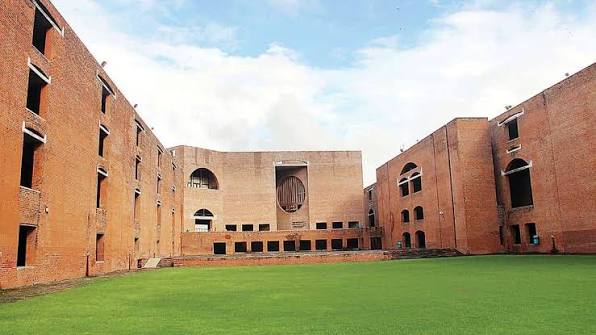
- Standing: ranked first in the NIRF management category for six consecutive years.
- Established:
- Known for: a rigorous, case-based pedagogy, a powerful alumni network, and a strong reputation with recruiters across consulting, finance, and general management.
- Admission: CAT, followed by shortlisting, a written ability test, and a personal interview.
2. IIM Bangalore, Karnataka
- Standing: second for several consecutive years.
- Established:
- Known for: its location in India’s technology capital, strong links to the startup and technology sectors, and a reputation for producing leaders in consulting and product roles.
- Admission: CAT-based, with a profile and interview stage.
3. IIM Kozhikode, Kerala
- Standing: third, and often praised for its consistency among newer IIMs.
- Established:
- Known for: a scenic campus, a strong academic culture, and a reputation for innovation in programme design.
- Admission: CAT-based, with a written ability test and interview.
4. Indian Institute of Technology (IIT) Delhi, Department of Management Studies, New Delhi
- Standing: fourth, the highest-ranked IIT in the management category.
- Known for: combining management education with a leading technology institute, strong industry ties in the capital, and research in technology and management.
- Admission: typically based on CAT scores and an institute-specific selection process, so check the current criteria.
5. IIM Lucknow, Uttar Pradesh
- Standing:
- Established:
- Known for: strong programmes in marketing and agribusiness, an expansive campus, and a good record with recruiters.
- Admission: CAT-based, with an interview stage.
6. IIM Mumbai (formerly NITIE), Maharashtra
- Standing:
- Background: it began as the National Institute for Training in Industrial Engineering in 1963, and became an IIM in 2023.
- Known for: its strengths in operations, supply chain, and industrial management, and a location in India’s financial capital.
- Admission: CAT-based, with a selection process, so check the latest criteria.
7. IIM Calcutta, West Bengal
- Standing: seventh in the 2025 edition, though it held the third spot in many earlier years.
- Established: 1961, making it one of the two oldest IIMs.
- Known for: strength in finance and quantitative subjects, and a deep alumni network.
- Admission: CAT-based, with a written ability test and interview.
8. IIM Indore, Madhya Pradesh
- Standing:
- Established:
- Known for: its five-year Integrated Programme in Management as well as the two-year MBA, a modern campus, and a strong recruiter base.
- Admission: CAT for the MBA, with an interview stage, and a separate aptitude test for the integrated programme.
9. Management Development Institute (MDI), Gurugram, Haryana
- Standing: ninth, and among the top non-IIM B-schools.
- Established:
- Known for: a respected PGPM programme, proximity to corporate headquarters in the Delhi region, and a strong track record in HR and marketing.
- Admission: CAT-based, with a group exercise and interview.
10. XLRI, Xavier School of Management, Jamshedpur, Jharkhand
- Standing:
- Established: 1949, making it one of India’s oldest management schools.
- Known for: its heritage in human resource management, a reputation for ethics and responsible leadership, and strong general management programmes.
- Admission: XAT or GMAT scores, followed by a selection process, so check the current rules.
Other Excellent Options
The top ten doesn’t capture the whole landscape. Strong programmes also exist at:
- Other IIMs, such as IIM Udaipur, Ranchi, Raipur, Rohtak, Trichy, Kashipur, Nagpur, Shillong, and others.
- FMS Delhi, known for strong returns on a very low fee.
- SPJIMR Mumbai, IMT Ghaziabad, TAPMI, SIBM Pune, and NMIMS Mumbai, which all attract strong recruiters.
- IIT management departments, including those at Bombay, Kharagpur, Roorkee, and Madras.
- Indian School of Business (ISB), which runs a one-year programme in Hyderabad and Mohali.
Ranks and reputations vary by source and by specialisation, so compare several.
How Admission Works
- CAT (Common Admission Test) is the main route to the IIMs, MDI, FMS, and many other schools. It’s typically held in late November, with registration opening in the preceding months.
- XAT is the route to XLRI and several other private schools, and GMAT is accepted by some institutes.
- Other tests: SNAP, NMAT, CMAT, and others serve specific institutions.
- Selection stages: after the entrance exam, most schools shortlist on your score, academic record, work experience, and diversity factors, followed by a written ability test and a personal interview or group discussion.
- Eligibility: generally a bachelor’s degree with a minimum percentage, and some programmes prefer or require work experience.
- Timelines change, so follow each school’s official admissions page.
What It Costs
- Top IIMs: total fees for the two-year programme run to a substantial sum, commonly in the range of ₹25 to 40 lakh or more, though figures vary by institute and year.
- FMS Delhi and some government institutes: much lower, which is part of their appeal.
- Private schools: a wide range, from moderate to very high.
- Living costs and travel add to the total.
- Financial support: education loans, merit and need-based scholarships, fee waivers for eligible categories, and institute-specific schemes are available, so look at each school’s offerings.
- Think about return on investment: compare the total cost with realistic salary outcomes from official placement reports, and be careful with headline packages that represent a handful of students.
How to Choose Beyond the Ranking
- Match the school to your goal. Some schools are stronger in finance, others in marketing, operations, HR, or technology management.
- Consider your profile: work experience, academic background, and the specialisations you want.
- Look at the curriculum and electives, and whether they match your plans.
- Check placement reports, including the median salary, the number of students placed, and the sectors, and read them critically.
- Think about location: proximity to the industry you want to work in can help with internships and networking.
- Compare the total cost and your financing plan.
- Talk to current students and alumni for an honest view of the culture and support.
- Consider the length and format: a one-year programme, two-year programme, or executive MBA can suit different stages of life.
- Have a portfolio of options, and apply to a range of schools in case a top choice doesn’t work out.
Tips for MBA Aspirants
- Start early and build a study plan for the quantitative, verbal, and data-interpretation sections.
- Take regular mock tests and analyse your mistakes.
- Work on your profile: relevant work experience, extracurriculars, and clear career goals strengthen your application.
- Prepare for interviews: be ready to discuss your background, your reasons for an MBA, and current affairs.
- Look after your well-being during preparation, with proper sleep, breaks, and support.
- Use official sources for dates, eligibility, and fees, and be careful of misleading coaching or admission claims.
Frequently Asked Questions
Q1. Which is the best MBA college in India?
A. IIM Ahmedabad has topped the NIRF management ranking for several consecutive years, followed by IIM Bangalore and IIM Kozhikode.
Q2. Has NIRF 2026 been released?
A. The 2026 management ranking has not been published yet, so the 2025 edition remains the latest official ranking available.
Q3. Which exam do I need for the IIMs?
A. The Common Admission Test (CAT) is the main entrance examination for admission to the IIMs, followed by each institute’s own selection process, which may include interviews and other assessment components.
Q4. Is IIT Delhi’s MBA as good as an IIM’s?
A. IIT Delhi ranks fourth in the latest NIRF management ranking, ahead of several IIMs. Its MBA programme is highly respected, particularly for students interested in technology-oriented and related careers.
Q5. Is work experience required for an MBA in India?
A. Work experience is often not mandatory for two-year MBA programmes in India, but it can strengthen your application. Some programmes may prefer or specifically require candidates to have prior professional experience.