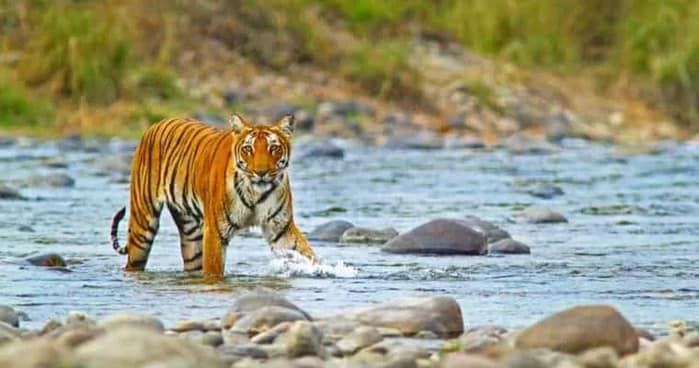
Seeing a Royal Bengal Tiger in its natural habitat is a dream for many wildlife lovers. Unlike a zoo visit, spotting a tiger in the wild is an unforgettable experience filled with excitement, patience, and respect for nature. India is home to nearly 75% of the world’s wild tiger population, making it the best destination on Earth for tiger safaris. Over the years, successful conservation efforts under Project Tiger have helped increase tiger numbers and protect vital forest ecosystems.
Whether you’re planning a family holiday, a wildlife photography trip, or an adventure with friends, visiting a tiger reserve offers much more than tiger sightings. You’ll also encounter elephants, leopards, deer, crocodiles, hundreds of bird species, and breathtaking landscapes ranging from dense forests and grasslands to rivers and hills. Choosing the right reserve and the best season can greatly improve your safari experience.
Here are the Top 10 Tiger Reserves in India that every wildlife enthusiast should visit.
Overview Table
| Tiger Reserve | State | Best Time to Visit | Famous For | Safari Type |
|---|---|---|---|---|
| Jim Corbett Tiger Reserve | Uttarakhand | November–June | India’s oldest national park | Jeep & Canter Safari |
| Ranthambore Tiger Reserve | Rajasthan | October–June | Tigers near ancient forts | Jeep & Canter Safari |
| Bandhavgarh Tiger Reserve | Madhya Pradesh | October–June | High tiger density | Jeep Safari |
| Kanha Tiger Reserve | Madhya Pradesh | October–June | Barasingha conservation | Jeep Safari |
| Tadoba-Andhari Tiger Reserve | Maharashtra | October–June | Frequent tiger sightings | Jeep Safari |
| Pench Tiger Reserve | Madhya Pradesh & Maharashtra | October–June | Inspiration for The Jungle Book | Jeep Safari |
| Kaziranga National Park | Assam | November–April | Tigers and one-horned rhinoceros | Jeep & Elephant Safari |
| Sundarbans Tiger Reserve | West Bengal | September–March | Mangrove forests and swimming tigers | Boat Safari |
| Nagarhole Tiger Reserve | Karnataka | October–May | Rich wildlife and forests | Jeep & Boat Safari |
| Periyar Tiger Reserve | Kerala | October–March | Boat safaris and evergreen forests | Boat & Jeep Safari |
1. Jim Corbett Tiger Reserve, Uttarakhand
Established in 1936, Jim Corbett is India’s oldest national park and the birthplace of Project Tiger. Nestled in the Himalayan foothills, it offers a mix of grasslands, rivers, dense forests, and hills.
Major attractions include:
- Royal Bengal Tigers
- Asian Elephants
- Leopards
- Crocodiles
- Rich birdlife
- Ramganga River
Popular safari zones such as Dhikala, Bijrani, and Jhirna provide excellent opportunities to experience wildlife.
Best Time: November to June
2. Ranthambore Tiger Reserve, Rajasthan
Ranthambore is one of India’s most famous tiger reserves, known for its relatively high chances of tiger sightings.
Highlights include:
- Tigers near Ranthambore Fort
- Ancient lakes
- Marsh crocodiles
- Leopards
- Sloth bears
The dramatic backdrop of historic ruins makes wildlife photography especially rewarding.
3. Bandhavgarh Tiger Reserve, Madhya Pradesh
Bandhavgarh is widely recognised for having one of the highest tiger densities in India.
Visitors can also spot:
- Leopards
- Sambar Deer
- Barking Deer
- Wild Boars
- Numerous bird species
The reserve is also home to the historic Bandhavgarh Fort, adding cultural interest to the safari experience.
4. Kanha Tiger Reserve, Madhya Pradesh
Kanha’s lush meadows and dense sal forests inspired Rudyard Kipling’s descriptions in The Jungle Book. The reserve is also celebrated for successfully conserving the endangered Hard-ground Barasingha.
Major wildlife includes:
- Royal Bengal Tigers
- Barasingha
- Indian Gaur
- Wild Dogs
- Leopards
Its scenic landscapes make it one of India’s most beautiful tiger reserves.
5. Tadoba-Andhari Tiger Reserve, Maharashtra
Tadoba has gained popularity for its excellent tiger sighting record.
Visitors often encounter:
- Tigers
- Leopards
- Sloth Bears
- Wild Dogs
- Marsh Crocodiles
Compared to some larger reserves, Tadoba offers relatively good visibility due to its open forest areas.
6. Pench Tiger Reserve, Madhya Pradesh & Maharashtra
Pench is believed to have inspired the setting of The Jungle Book.
Visitors enjoy:
- Tiger safaris
- Leopard sightings
- Indian Bison
- Jackals
- Rich birdlife
Its peaceful forests and well-managed safari routes make it suitable for both first-time and experienced wildlife travellers.
7. Kaziranga National Park, Assam
Although globally famous for the One-Horned Rhinoceros, Kaziranga is also an important tiger reserve with one of the highest tiger densities in the country.
Highlights include:
- Tigers
- One-horned Rhinoceroses
- Wild Water Buffalo
- Elephants
- Swamp Deer
Both jeep and elephant safaris offer unique ways to explore the park.
8. Sundarbans Tiger Reserve, West Bengal
The Sundarbans is unlike any other tiger reserve in India. Spread across the world’s largest mangrove forest, it is home to tigers that are known for their ability to swim between islands.
Visitors can experience:
- Boat safaris
- Mangrove forests
- Saltwater crocodiles
- Spotted Deer
- Rare bird species
The reserve’s unique ecosystem offers a completely different wildlife experience.
9. Nagarhole Tiger Reserve, Karnataka
Part of the Nilgiri Biosphere Reserve, Nagarhole is famous for its dense forests and diverse wildlife.
Popular animals include:
- Tigers
- Elephants
- Leopards
- Gaur
- Deer
- Malabar Giant Squirrels
Boat safaris on the Kabini River often provide excellent opportunities to observe wildlife gathering near the water.
10. Periyar Tiger Reserve, Kerala
Periyar combines wildlife conservation with eco-tourism in the Western Ghats.
Visitors can enjoy:
- Boat safaris on Periyar Lake
- Elephant sightings
- Tigers
- Sambar Deer
- Nilgiri Langurs
- Nature walks
The peaceful lake surrounded by forests creates one of India’s most scenic safari experiences.
Why Visit a Tiger Reserve?
Tiger reserves protect much more than tigers. They conserve entire ecosystems that support hundreds of plant and animal species.
A safari offers opportunities to:
- Observe wildlife in its natural habitat
- Learn about conservation efforts
- Experience India’s forests up close
- Enjoy birdwatching
- Capture incredible wildlife photographs
- Support eco-tourism and local communities
Every visit contributes to awareness about protecting endangered wildlife.
Tips for a Successful Tiger Safari
Planning ahead improves your chances of enjoying a memorable safari.
- Book safari permits well in advance, especially during peak season.
- Choose early morning or late afternoon safaris, when wildlife is more active.
- Wear earth-toned clothing such as green, brown, or beige.
- Carry binoculars and a camera with a zoom lens.
- Maintain silence during the safari.
- Never feed or disturb animals.
- Follow the instructions of your forest guide at all times.
Remember that tiger sightings depend on luck, weather, and animal movement. Enjoy the entire forest experience rather than focusing only on spotting a tiger.
Best Time to Visit Tiger Reserves
Most tiger reserves are open between October and June, although timings vary.
Generally:
- October to February: Pleasant weather and comfortable safaris.
- March to June: Better tiger sightings as animals frequently visit water sources.
- Monsoon (June–September): Many safari zones remain closed for conservation and breeding.
Always check the opening schedule of your chosen reserve before planning your trip.
FAQs
1. Which tiger reserve offers the best chance of spotting a tiger?
A. Bandhavgarh Tiger Reserve, Ranthambore Tiger Reserve, and Tadoba-Andhari Tiger Reserve are widely regarded as offering some of the best opportunities for tiger sightings, although sightings are never guaranteed.
2. Which is the oldest tiger reserve in India?
A. Jim Corbett Tiger Reserve in Uttarakhand is India’s oldest national park and was the first reserve to come under Project Tiger when the programme was launched in 1973.
3. What is the best time to visit a tiger reserve?
A. The ideal time is October to June. If your priority is tiger sightings, the hotter months from March to June often provide better chances because animals gather near water bodies.
4. What should I carry for a tiger safari?
A. Carry comfortable clothing in neutral colours, a hat, sunglasses, sunscreen, a reusable water bottle, binoculars, a camera with a zoom lens, and a valid ID proof for safari entry. Most importantly, follow forest rules and respect wildlife throughout your visit.