India is a paradise for bird lovers. With its diverse landscapes, ranging from snow-covered Himalayan wetlands and lush mangrove forests to freshwater lakes, grasslands, and coastal lagoons, the country attracts more than 1,300 bird species throughout the year. Every winter, thousands of migratory birds travel thousands of kilometres from Europe, Central Asia, and Siberia to spend the season in India’s protected wetlands and bird sanctuaries.
Visiting a bird sanctuary is not just about spotting colourful birds. It’s a chance to enjoy peaceful natural surroundings, learn about biodiversity, capture stunning wildlife photographs, and understand the importance of conserving fragile ecosystems. Whether you’re an experienced birdwatcher, a photographer, or a family looking for an educational outdoor trip, India’s bird sanctuaries offer unforgettable experiences.
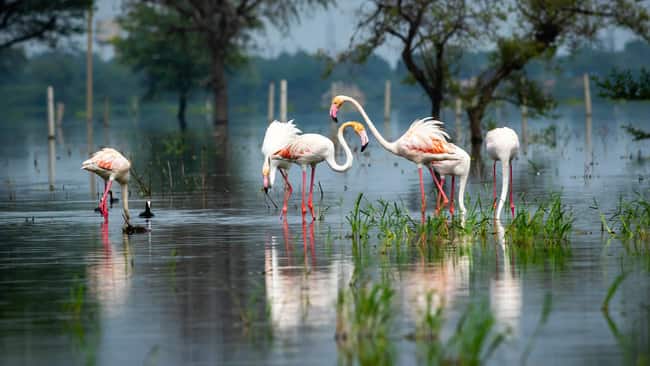
Here are the Top 10 Bird Sanctuaries in India that every nature enthusiast should visit.
Overview Table
| Bird Sanctuary | State | Best Time to Visit | Famous For | Ideal Visit Duration |
|---|---|---|---|---|
| Keoladeo National Park | Rajasthan | October–March | UNESCO World Heritage Site and migratory birds | Full Day |
| Ranganathittu Bird Sanctuary | Karnataka | November–May | River islands and nesting birds | 2–3 Hours |
| Vedanthangal Bird Sanctuary | Tamil Nadu | November–March | One of India’s oldest bird sanctuaries | 2–3 Hours |
| Chilika Bird Sanctuary | Odisha | November–February | Migratory birds and Irrawaddy dolphins | Full Day |
| Sultanpur National Park | Haryana | October–March | Easy birdwatching near Delhi | Half Day |
| Nal Sarovar Bird Sanctuary | Gujarat | November–February | Flamingos and pelicans | Half Day |
| Kumarakom Bird Sanctuary | Kerala | November–February | Backwaters and water birds | 2–3 Hours |
| Thattekad Bird Sanctuary | Kerala | October–March | Rich forest bird diversity | Half Day |
| Harike Wetland & Bird Sanctuary | Punjab | November–February | Largest wetland in North India | Half Day |
| Point Calimere Wildlife and Bird Sanctuary | Tamil Nadu | November–March | Flamingos and coastal birds | Full Day |
1. Keoladeo National Park, Rajasthan
Formerly known as Bharatpur Bird Sanctuary, Keoladeo National Park is one of the world’s finest birdwatching destinations and a UNESCO World Heritage Site. It is home to over 370 bird species and attracts thousands of migratory birds every winter.
Major attractions include:
- Painted Storks
- Siberian migratory birds (historically)
- Pelicans
- Herons
- Kingfishers
- Wetland ecosystem
Visitors can explore the park by cycle, rickshaw, bicycle, or on foot, making it one of the best birding destinations for beginners.
Best Time: October to March
2. Ranganathittu Bird Sanctuary, Karnataka
Located near Mysuru, Ranganathittu Bird Sanctuary consists of small islands on the Kaveri River.
Popular birds include:
- Painted Storks
- Openbill Storks
- Spoonbills
- River Terns
- Egrets
- Cormorants
Boat rides allow visitors to observe nesting birds and crocodiles from a safe distance.
The sanctuary is especially beautiful during the nesting season.
3. Vedanthangal Bird Sanctuary, Tamil Nadu
Vedanthangal is one of India’s oldest protected bird sanctuaries and has welcomed migratory birds for over two centuries.
Visitors can spot:
- Grey Herons
- Egrets
- Ibises
- Cormorants
- Spot-billed Pelicans
Well-maintained watchtowers provide excellent opportunities for bird photography.
4. Chilika Bird Sanctuary, Odisha
Located within the famous Chilika Lake, this sanctuary becomes one of Asia’s largest wintering grounds for migratory birds.
Highlights include:
- Flamingos
- Ducks
- Geese
- Gulls
- Herons
- Irrawaddy Dolphins
Boat safaris allow visitors to explore different sections of the vast lagoon while enjoying excellent birdwatching opportunities.
5. Sultanpur National Park, Haryana
Situated close to Delhi and Gurugram, Sultanpur National Park is an excellent destination for weekend birdwatching.
Popular species include:
- Black-necked Storks
- Sarus Cranes
- Flamingos
- Kingfishers
- Eagles
Its accessible location makes it ideal for families, students, and first-time birdwatchers.
6. Nal Sarovar Bird Sanctuary, Gujarat
Nal Sarovar is one of Gujarat’s most famous wetlands and attracts thousands of migratory birds during winter.
Visitors commonly see:
- Flamingos
- Pelicans
- Cranes
- Ducks
- Avocets
Early morning boat rides provide the best opportunities to observe birds feeding in the shallow waters.
7. Kumarakom Bird Sanctuary, Kerala
Located on the banks of Vembanad Lake, Kumarakom Bird Sanctuary is famous for its peaceful backwater setting.
Major attractions include:
- Egrets
- Darters
- Kingfishers
- Cuckoos
- Waterfowl
The sanctuary can be explored on foot or combined with a relaxing backwater cruise.
8. Thattekad Bird Sanctuary, Kerala
Often referred to as the “Dr. Salim Ali Bird Sanctuary,” Thattekad is one of India’s richest forest bird habitats.
Visitors may spot:
- Malabar Grey Hornbill
- Indian Pitta
- Woodpeckers
- Flycatchers
- Sunbirds
Guided birdwatching tours greatly improve the chances of spotting rare species hidden within the forest.
9. Harike Wetland & Bird Sanctuary, Punjab
Harike Wetland is North India’s largest wetland and an important stopover for migratory birds travelling along the Central Asian Flyway.
Bird species include:
- Bar-headed Geese
- Common Teal
- Pintails
- Marsh Harriers
- Cormorants
The vast wetlands also support numerous fish, reptiles, and mammals.
10. Point Calimere Wildlife and Bird Sanctuary, Tamil Nadu
Located on India’s southeastern coast, Point Calimere is known for its rich coastal biodiversity.
Visitors can observe:
- Greater Flamingos
- Pelicans
- Herons
- Spoonbills
- Blackbucks
- Wild horses
The sanctuary’s combination of wetlands, mudflats, mangroves, and forests creates an ideal habitat for both resident and migratory birds.
Why Visit Bird Sanctuaries?
Bird sanctuaries offer much more than birdwatching.
Visitors can enjoy:
- Nature photography
- Wildlife observation
- Peaceful walking trails
- Boat safaris
- Environmental education
- Wetland ecosystems
- Family-friendly outdoor experiences
- Opportunities to learn about conservation
Many sanctuaries also play a vital role in protecting endangered bird species and preserving natural habitats.
Tips for Birdwatching
To make your visit enjoyable and successful:
- Visit early in the morning when birds are most active.
- Carry binoculars for better viewing.
- Wear neutral-coloured clothing to avoid disturbing wildlife.
- Keep noise to a minimum.
- Carry a camera with a zoom lens if interested in photography.
- Stay on designated trails and follow park rules.
- Avoid feeding or approaching birds too closely.
Patience is one of the most important qualities for successful birdwatching.
Best Time to Visit Bird Sanctuaries
The ideal season is generally November to February, when migratory birds arrive from colder regions.
During this period:
- Bird diversity is highest.
- Pleasant weather makes walking comfortable.
- Photography conditions are excellent.
- Breeding and feeding activity is easier to observe.
Some sanctuaries remain attractive throughout the year because of their resident bird populations.
FAQs
1. Which is the best bird sanctuary in India?
A. Keoladeo National Park in Rajasthan is widely regarded as India’s best bird sanctuary because of its exceptional bird diversity, UNESCO World Heritage status, and excellent birdwatching facilities.
2. When is the best time to see migratory birds in India?
A. The best time is generally November to February, when thousands of migratory birds arrive from Europe, Siberia, and Central Asia to spend the winter in India’s wetlands and sanctuaries.
3. Which bird sanctuary is closest to Delhi?
A. Sultanpur National Park in Haryana is the closest major bird sanctuary to Delhi, making it a popular destination for weekend trips and beginner birdwatchers.
4. What should I carry while visiting a bird sanctuary?
A. Carry binoculars, a camera with a zoom lens if possible, comfortable walking shoes, a reusable water bottle, sunscreen, a hat, insect repellent, and a bird identification guide or mobile app. Visiting early in the morning and maintaining silence will improve your chances of spotting a wide variety of birds.