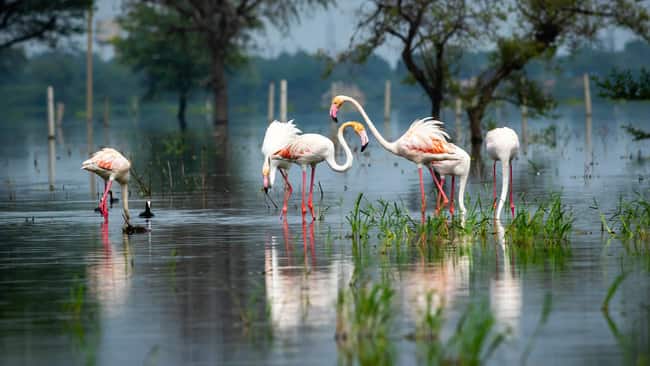
Nature has a unique way of helping us slow down and recharge. In the middle of busy cities and fast-paced lives, botanical gardens offer peaceful green spaces where visitors can admire rare plants, colourful flowers, towering trees, and beautifully landscaped pathways. Whether you’re a nature enthusiast, photographer, student, family traveller, or someone simply looking for a relaxing day outdoors, India’s botanical gardens provide the perfect escape.
Beyond their beauty, botanical gardens play an important role in conserving plant species, supporting scientific research, and educating visitors about biodiversity. Many of these gardens are home to centuries-old trees, exotic flowers, medicinal plants, and butterfly habitats. Some even date back to the British colonial era and continue to attract thousands of visitors every year.
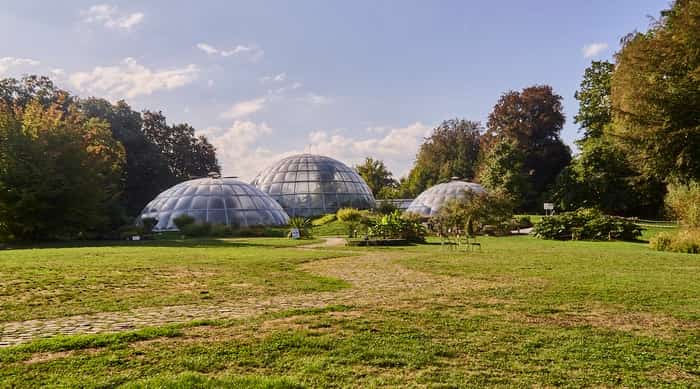
Here are the Top 10 Botanical Gardens in India that every nature lover should visit.
Overview Table
| Botanical Garden | State/UT | Best Time to Visit | Famous For | Ideal Visit Duration |
|---|---|---|---|---|
| Acharya Jagadish Chandra Bose Indian Botanic Garden | West Bengal | October–March | Great Banyan Tree | 3–4 Hours |
| Lalbagh Botanical Garden | Karnataka | October–February | Glass House and flower shows | 3 Hours |
| Government Botanical Garden | Tamil Nadu | April–June, September–November | Ooty flower gardens | 2–3 Hours |
| Lloyd Botanical Garden | West Bengal | March–June, October–December | Himalayan flora | 2 Hours |
| Jawaharlal Nehru Tropical Botanic Garden | Kerala | October–March | Tropical plant species | 2–3 Hours |
| National Botanical Research Institute Garden | Uttar Pradesh | October–March | Botanical research and roses | 2–3 Hours |
| Botanical Garden, Chandigarh | Chandigarh | October–March | Native plant conservation | 2 Hours |
| Botanical Garden of Indian Republic | Uttar Pradesh | November–March | Medicinal and aquatic plants | 2–3 Hours |
| Sim’s Park | Tamil Nadu | September–May | Ornamental trees and flower beds | 2 Hours |
| Saharanpur Botanical Garden | Uttar Pradesh | October–March | Historic medicinal plant collection | 2 Hours |
1. Acharya Jagadish Chandra Bose Indian Botanic Garden, West Bengal
Located in Howrah near Kolkata, this is one of India’s oldest and largest botanical gardens. Established in 1787, it is internationally famous for the Great Banyan Tree, which spreads across several acres and resembles an entire forest despite being a single tree.
Major attractions include:
- Great Banyan Tree
- Palm avenues
- Orchid collections
- Bamboo groves
- Rare tropical plants
The garden houses thousands of plant species collected from India and around the world.
Best Time: October to March
2. Lalbagh Botanical Garden, Bengaluru
Lalbagh Botanical Garden is one of India’s most famous botanical attractions. Spread over 240 acres, it is renowned for its beautifully maintained landscapes and seasonal flower shows.
Highlights include:
- Glass House
- Annual flower shows
- Ancient rock formations
- Rose gardens
- Bonsai collection
- Lake and walking trails
The Republic Day and Independence Day flower exhibitions attract visitors from across the country.
3. Government Botanical Garden, Ooty
Situated in the Nilgiri Hills, the Government Botanical Garden is one of the most popular tourist attractions in Ooty.
Visitors can explore:
- Terraced gardens
- Rare orchids
- Fern House
- Fossil tree trunk
- Colourful flower beds
The annual Ooty Flower Show transforms the garden into a vibrant display of thousands of blooming flowers.
4. Lloyd Botanical Garden, Darjeeling
Located near the famous Darjeeling Himalayan Railway, Lloyd Botanical Garden specialises in Himalayan and alpine plant species.
Major attractions include:
- Rhododendrons
- Orchids
- Magnolias
- Bamboo species
- Mountain flora
The cool climate makes the garden especially attractive during spring when many flowers are in full bloom.
5. Jawaharlal Nehru Tropical Botanic Garden, Kerala
Located near Kochi, this garden focuses on conserving tropical plant diversity.
Visitors can see:
- Medicinal plants
- Bamboo species
- Palm collections
- Butterfly-friendly gardens
- Rare tropical trees
The garden also serves as an important centre for botanical research and conservation.
6. National Botanical Research Institute Garden, Lucknow
Managed by the National Botanical Research Institute (NBRI), this garden combines scientific research with public education.
Highlights include:
- Rose Garden
- Cactus House
- Aquatic plants
- Medicinal herbs
- Seasonal flower displays
The annual rose exhibition is particularly popular among gardening enthusiasts.
7. Botanical Garden, Chandigarh
Located near the famous Rock Garden and Sukhna Lake, Chandigarh Botanical Garden is dedicated to conserving native plant species.
Visitors enjoy:
- Walking trails
- Native forest trees
- Medicinal plants
- Butterfly zones
- Peaceful green spaces
Its well-maintained pathways make it ideal for morning walks and family outings.
8. Botanical Garden of Indian Republic, Noida
Spread over a large area in Noida, this botanical garden showcases India’s rich plant diversity.
Popular sections include:
- Aquatic plant collections
- Medicinal herbs
- Bamboo gardens
- Palm species
- Ornamental flower beds
The garden is especially popular among photographers and nature enthusiasts during the winter season.
9. Sim’s Park, Coonoor
Located in the Nilgiri Hills near Ooty, Sim’s Park is a beautifully landscaped botanical garden featuring plants from different parts of the world.
Major attractions include:
- Ornamental trees
- Seasonal flowers
- Japanese-style gardens
- Rare conifers
- Scenic viewpoints
Its cool climate and peaceful surroundings make it a favourite destination for visitors exploring Coonoor.
10. Saharanpur Botanical Garden, Uttar Pradesh
Established during the Mughal period and later developed under British administration, Saharanpur Botanical Garden has a long history of botanical research.
Visitors can explore:
- Medicinal plant collections
- Rare trees
- Historic garden layouts
- Research nurseries
The garden continues to contribute to plant conservation and scientific study.
Why Visit Botanical Gardens?
Botanical gardens are much more than beautiful parks. They serve as important centres for education, conservation, and recreation.
Visitors can enjoy:
- Rare plant collections
- Colourful seasonal flowers
- Birdwatching
- Butterfly spotting
- Photography
- Nature walks
- Educational exhibits
- Peaceful picnic spots
Many gardens also organise flower shows, gardening workshops, and environmental awareness programmes throughout the year.
Tips for Visiting Botanical Gardens
To make your visit more enjoyable:
- Visit during the morning when temperatures are pleasant.
- Wear comfortable walking shoes.
- Carry drinking water, sunscreen, and a hat.
- Avoid plucking flowers or damaging plants.
- Stay on designated walking paths.
- Carry a camera for nature photography.
- Check if seasonal flower festivals are taking place before your visit.
Respect garden rules to help preserve these valuable green spaces.
Best Time to Visit Botanical Gardens
The ideal season depends on the location, but generally October to March offers pleasant weather across most of India.
Hill station gardens such as Ooty and Darjeeling are particularly beautiful during spring and early summer, when flowers bloom in abundance.
If you’re interested in flower exhibitions, plan your visit around annual flower shows in destinations such as Bengaluru and Ooty.
FAQs
1. Which is the oldest botanical garden in India?
A. The Acharya Jagadish Chandra Bose Indian Botanic Garden in Howrah, established in 1787, is the oldest botanical garden in India and is famous for its iconic Great Banyan Tree.
2. Which botanical garden is famous for flower shows?
A. Lalbagh Botanical Garden in Bengaluru is well known for its spectacular flower shows held every year around Republic Day and Independence Day, attracting thousands of visitors.
3. Which botanical garden is best for families?
A. The Government Botanical Garden in Ooty and Lalbagh Botanical Garden in Bengaluru are excellent choices for families because of their spacious lawns, walking paths, colourful flower displays, and educational value.
4. What should I carry while visiting a botanical garden?
A. Carry comfortable walking shoes, a reusable water bottle, sunscreen, sunglasses, a hat, and a camera or smartphone for photography. If you’re interested in identifying plants, you may also find a notebook or plant identification app useful during your visit.