Stress has become an unavoidable part of modern life. Work deadlines, family responsibilities, financial pressures, and constant digital connectivity can leave many people feeling mentally exhausted and physically tense. As awareness of mental health and wellness grows, more individuals are turning to mind-body exercises to manage stress naturally. Among the most popular options are yoga and Pilates.
Both yoga and Pilates offer unique physical and mental benefits, including improved flexibility, strength, posture, and body awareness. More importantly, both practices can play a valuable role in reducing stress and promoting overall well-being. However, they achieve these benefits in different ways.
If you’re trying to decide between yoga and Pilates for stress relief, understanding their differences can help you choose the approach that best fits your needs and lifestyle.
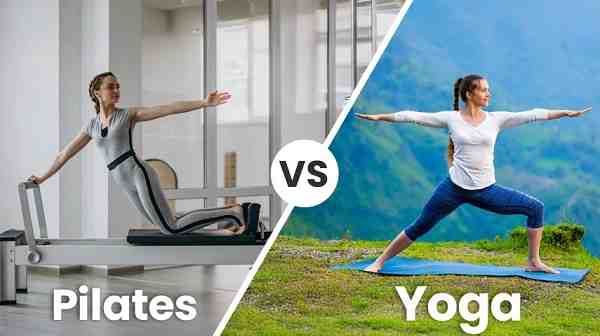
Understanding Yoga
Yoga is an ancient practice that originated in India thousands of years ago. It combines physical postures, breathing exercises, and mindfulness techniques to support both physical and mental health.
A typical yoga session may include:
- Stretching poses
- Controlled breathing
- Balance exercises
- Relaxation techniques
- Meditation practices
Yoga emphasizes the connection between the body, mind, and breath, making it a holistic wellness practice.
Benefits of Yoga for Stress Relief
One of yoga’s greatest strengths is its ability to calm the nervous system.
Regular yoga practice may help:
- Lower stress levels
- Improve relaxation
- Reduce anxiety
- Promote better sleep
- Enhance emotional well-being
- Increase mindfulness
Many yoga styles encourage participants to focus on the present moment, helping reduce racing thoughts and mental overwhelm.
Understanding Pilates
Pilates is a form of exercise developed by Joseph Pilates in the early 20th century. It focuses on controlled movements designed to strengthen the body’s core muscles while improving posture, flexibility, and alignment.
A Pilates session typically includes:
- Core-strengthening exercises
- Controlled body movements
- Breathing coordination
- Postural training
- Balance and stability exercises
Pilates places a strong emphasis on precision, concentration, and body control.
Benefits of Pilates for Stress Relief
Although Pilates is often associated with physical fitness, it can also provide important mental health benefits.
Pilates may help:
- Reduce muscle tension
- Improve body awareness
- Enhance concentration
- Increase physical confidence
- Promote mental focus
- Reduce feelings of stress
Because Pilates requires focused attention, it can temporarily shift your mind away from daily worries and distractions.
How Yoga Relieves Stress
Yoga directly targets many of the physiological effects of stress.
Breath Control
Breathing exercises, known as pranayama, are a central part of many yoga practices.
Slow, controlled breathing helps activate the parasympathetic nervous system, often referred to as the “rest-and-digest” system.
This response can:
- Slow heart rate
- Lower stress levels
- Promote relaxation
- Improve emotional regulation
Mindfulness and Meditation
Many yoga classes include mindfulness or meditation components.
These practices encourage individuals to observe thoughts without judgment and remain present in the moment.
This mental training can help reduce anxiety and improve resilience to stress.
Relaxation Techniques
Many yoga sessions conclude with deep relaxation practices that allow the body and mind to fully unwind.
These moments of stillness can be especially beneficial for people experiencing chronic stress.
How Pilates Relieves Stress
Pilates approaches stress relief from a slightly different angle.
Physical Release of Tension
Stress often manifests physically as tight shoulders, neck discomfort, and muscle tension.
Pilates exercises help improve posture and release physical strain that may contribute to stress.
Focused Concentration
Pilates requires attention to movement quality, breathing, and alignment.
This concentration creates a mental break from stressful thoughts and encourages mindfulness through movement.
Improved Physical Confidence
As strength, balance, and posture improve, many people experience increased confidence and a greater sense of control over their bodies.
This positive physical awareness can contribute to improved emotional well-being.
Yoga vs Pilates: Key Differences
While both practices offer stress-relief benefits, there are important differences.
Yoga Focuses More on Mental Relaxation
Yoga often places greater emphasis on:
- Meditation
- Breathwork
- Spiritual awareness
- Deep relaxation
If your primary goal is calming the mind and reducing anxiety, yoga may provide greater benefits.
Pilates Focuses More on Physical Conditioning
Pilates emphasizes:
- Core strength
- Stability
- Posture
- Controlled movement
If stress primarily affects your body through tension, poor posture, or physical discomfort, Pilates may be especially helpful.
Which Is Better for Beginners?
Both yoga and Pilates can be adapted for beginners.
Yoga for Beginners
Gentle styles such as:
- Hatha Yoga
- Restorative Yoga
- Yin Yoga
Are often beginner-friendly and ideal for relaxation.
Pilates for Beginners
Mat Pilates classes are generally accessible and help develop body awareness and core strength gradually.
The best choice often depends on your personal preferences and goals.
Which Is Better for Anxiety?
For individuals dealing with anxiety, yoga may have a slight advantage due to its strong emphasis on breathing exercises and mindfulness practices.
The combination of:
- Controlled breathing
- Meditation
- Gentle movement
Can be highly effective for calming the nervous system.
However, many people also find Pilates beneficial because focused movement can interrupt anxious thought patterns and improve overall well-being.
Can You Combine Both?
Absolutely.
Many wellness experts recommend incorporating both practices into a balanced fitness routine.
For example:
Yoga
- Supports relaxation
- Improves flexibility
- Enhances mindfulness
Pilates
- Builds strength
- Improves posture
- Develops stability
Together, they provide complementary physical and mental health benefits.
Choosing the Right Practice for You
Consider your primary goals.
Choose Yoga If You Want To:
- Reduce anxiety
- Improve mindfulness
- Practice meditation
- Enhance flexibility
- Support relaxation
Choose Pilates If You Want To:
- Strengthen your core
- Improve posture
- Build body awareness
- Relieve physical tension
- Increase overall fitness
Remember, there is no universally “better” option. The most effective practice is the one you enjoy and can maintain consistently.
Final Thoughts
Both yoga and Pilates are excellent tools for managing stress and supporting overall health. Yoga tends to focus more on calming the mind through breathwork, mindfulness, and relaxation, while Pilates emphasizes physical strength, posture, and focused movement. Each approach offers unique benefits that can help reduce stress and improve quality of life.
If you’re seeking deep relaxation and mental clarity, yoga may be the ideal choice. If you’re looking for a structured workout that also supports stress reduction, Pilates could be a better fit. Many people discover that combining both practices provides the best of both worlds.
Ultimately, the key to stress relief is consistency. Whether you choose yoga, Pilates, or a combination of both, regular practice can help you feel calmer, stronger, and more resilient in the face of life’s daily challenges.