The shift to remote and hybrid work has made the home office a permanent feature in many Indian households. Whether you live in a compact Mumbai apartment, a bustling Delhi flat, or a spacious Bengaluru villa, a well-designed home office can dramatically improve productivity, focus, and overall well-being. However, designing a comfortable home office in India comes with unique challenges — limited space, joint family dynamics, frequent power fluctuations, and the need to balance professional and personal life.
A thoughtful home office design goes beyond a desk and chair. It creates an environment that supports long working hours while blending seamlessly with Indian family life. Here’s a complete guide to designing a comfortable, functional, and inspiring home office on a practical budget.
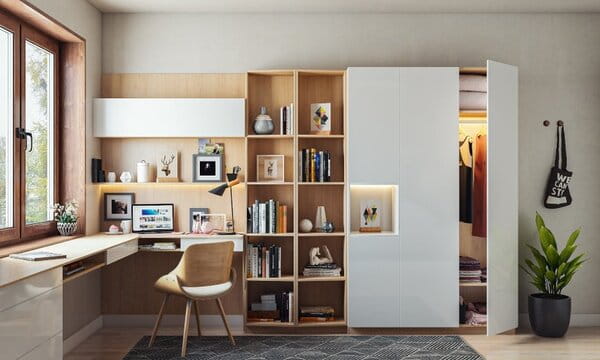
Choose the Right Location
Location is the foundation of a good home office.
- Dedicated Space: If possible, choose a quiet corner away from high-traffic areas like the living room or kitchen. A spare bedroom, balcony, or even a well-partitioned section of the living room works well.
- Natural Light: Prioritise a spot with good natural light to reduce eye strain and improve mood. North or east-facing windows are ideal.
- Privacy Considerations: In joint families, use room dividers, curtains, or bookshelves to create visual and acoustic separation.
Pro Tip: Avoid setting up your workspace in the bedroom if possible, as it can blur boundaries between rest and work.
Invest in Ergonomic Furniture
Comfortable furniture prevents long-term health issues like back pain and neck strain.
- Desk: Choose a sturdy desk with sufficient surface area (minimum 120×60 cm). Height-adjustable desks or those with storage drawers are excellent. For small spaces, wall-mounted folding desks save floor area.
- Chair: A good ergonomic chair with lumbar support, adjustable height, and armrests is non-negotiable. Look for mesh-backed chairs that stay cool in Indian summers.
- Additional Pieces: Add a footrest, monitor stand, and keyboard tray for proper posture.
Budget Option: Many local carpenters can build custom desks and storage units at reasonable prices. Aim for ₹8,000–25,000 for a complete basic setup.
Perfect Your Lighting Setup
Poor lighting causes eye fatigue and reduces productivity.
- Layered Lighting: Combine ambient ceiling light, task lighting (desk lamp), and natural light.
- Positioning: Place your desk perpendicular to the window to avoid glare on screens. Use adjustable desk lamps with warm-to-cool light options.
- Anti-Glare Solutions: Install curtains or blinds to control direct sunlight, especially in west-facing rooms.
Recommendation: Choose LED lights with high CRI (Colour Rendering Index) for accurate colour perception during video calls.
Organise Storage and Technology
Clutter kills focus. Good organisation is essential.
- Storage Solutions: Use vertical shelving, wall-mounted cabinets, and under-desk drawers. Pegboards or wire grids on walls keep supplies accessible yet tidy.
- Cable Management: Use cable trays, clips, and sleeves to keep wires organised — a common eyesore in Indian home offices.
- Technology Setup: Invest in a reliable UPS for power backup, a good webcam, noise-cancelling headphones, and a fast Wi-Fi extender if needed. Dual monitors can boost productivity significantly.
Indian Reality Tip: Plan for frequent power cuts by having a sturdy power backup solution and keeping essential devices charged.
Personalise and Add Comfort Elements
A personalised workspace increases motivation and creativity.
- Add plants (snake plant, money plant) for air purification and a calming effect.
- Display family photos, motivational quotes, or traditional art that inspires you.
- Incorporate comfortable elements like a small rug, cushion, or throw for warmth during winters.
- Maintain a balance — keep the space professional yet personal.
Wellness Tip: Include a small area for stretching or quick breaks to combat the sedentary nature of desk jobs.
Budget Planning and Phased Implementation
You don’t need to spend heavily to create a good home office.
- Basic Setup (₹15,000–35,000): Good chair, basic desk, lighting, and storage.
- Mid-Range (₹40,000–80,000): Ergonomic chair, height-adjustable desk, monitor arm, and better lighting.
Start with essentials and upgrade gradually. Shop during sales on platforms like Pepperfry, Urban Ladder, or Amazon for better deals.
Conclusion
Designing a comfortable home office is about creating a space that supports your work while blending harmoniously with Indian family life. By carefully selecting the location, investing in ergonomic furniture, optimising lighting, organising storage, and adding personal touches, you can build a productive and pleasant workspace at home.
Take time to assess your needs, measure your space accurately, and prioritise comfort and functionality. A well-designed home office not only boosts your efficiency but also improves your work-life balance. Whether you are a seasoned professional or just starting your remote journey, the effort you put into creating this space will reward you daily with better focus, reduced stress, and greater satisfaction.
Start small, stay consistent, and enjoy the transformation. Your home office should be a place where you thrive — professionally and personally.
FAQ
Q1: How much space do I need for a home office?
Even 4×5 feet can work if planned well. Use vertical storage and multi-functional furniture in smaller spaces.
Q2: What is the most important furniture for a home office?
A comfortable ergonomic chair is the highest priority, followed by a sturdy desk.
Q3: How can I make a small corner feel like a proper office?
Use room dividers, good lighting, a compact desk, and wall-mounted storage to define the space clearly.
Q4: Should I invest in an expensive chair?
Yes. A good ergonomic chair prevents long-term back and neck problems and improves productivity.
Q5: How do I manage cables and wires effectively?
Use cable management trays, clips, and sleeves. Keep frequently used cables accessible but tidy.
Q6: What lighting is best for video calls?
Soft, even frontal lighting (ring light or well-placed desk lamp) prevents harsh shadows and improves video quality.
Q7: Can I create a home office in a rented apartment?
Yes. Use non-permanent solutions like freestanding desks, tension rods, and removable storage units that can be easily taken when moving.