Bathrooms are one of the most frequently used spaces in Indian homes, yet they are also where plumbing problems tend to surface first. From dripping taps and clogged drains to low water pressure and hidden leaks, bathroom plumbing issues can cause daily inconvenience, water wastage, increased bills, and even structural damage if ignored. Factors like hard water, high humidity during monsoons, poor installation, and aging infrastructure make these problems especially common across the country.
Understanding the most frequent bathroom plumbing issues and knowing how to fix them can save you time, money, and stress. This guide covers the top problems Indian homeowners face, along with practical DIY solutions and tips on when to call a professional.
1. Leaking Faucets and Taps
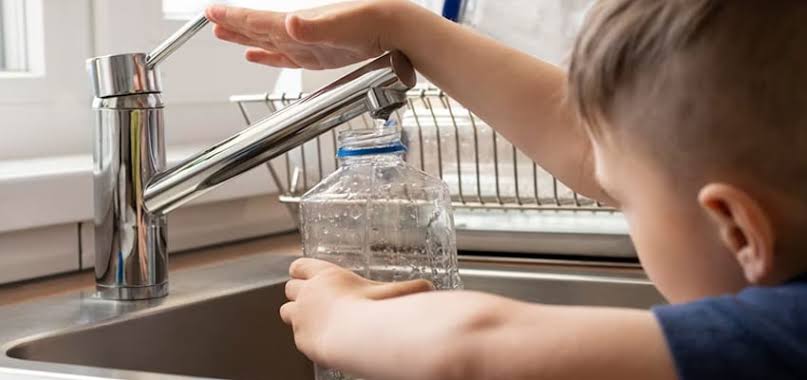
A dripping faucet is one of the most common and irritating bathroom issues. A single leaky tap can waste thousands of litres of water every month.
Causes:
Worn-out rubber washers, damaged cartridges, or corrosion due to hard water.
Fixes:
- For simple washer-based taps: Turn off the water supply, disassemble the tap, replace the washer (available for ₹10–50 at hardware stores), and reassemble.
- For modern ceramic disc or quarter-turn taps: Replace the entire cartridge.
- Apply plumber’s tape (PTFE tape) on threads for better sealing.
Prevention: Regularly check and replace washers every 1–2 years. Use aerators to reduce pressure on taps.
2. Clogged Drains and Slow Drainage
Slow draining sinks, showers, or floor drains are extremely common due to hair, soap scum, oil, and food particles.
Causes:
Buildup of hair, grease, and mineral deposits from hard water.
Fixes:
- Natural Method: Pour ½ cup baking soda followed by ½ cup vinegar. Wait 15 minutes and flush with hot water.
- Use a plunger or a flexible drain snake for stubborn clogs.
- For severe blockages, remove and clean the U-trap (P-trap) under the sink.
- Avoid chemical drain cleaners regularly as they damage pipes over time.
Prevention: Install drain strainers or hair catchers. Clean drains weekly with baking soda and vinegar.
3. Low Water Pressure
Low pressure in showers or taps makes daily routines frustrating.
Causes:
Clogged aerators, mineral buildup in pipes, leaks, or issues with the overhead tank.
Fixes:
- Clean aerators and showerheads by soaking them in vinegar solution.
- Check for hidden leaks in pipes.
- Clean or replace clogged filters in the main line.
- Install a small pressure booster pump if municipal supply is weak.
Prevention: Install inline water filters and descale pipes periodically.
4. Running or Noisy Toilet Flush
A continuously running toilet wastes water and creates annoying sounds.
Causes:
Faulty float valve, worn-out flapper, or issues with the fill valve.
Fixes:
- Adjust or replace the float valve inside the cistern.
- Replace the rubber flapper if water is leaking from the tank to the bowl.
- Clean the fill valve mechanism if it’s noisy.
Prevention: Use dual-flush systems or water-saving cisterns for better efficiency.
5. Hidden Pipe Leaks and Damp Walls
Leaks inside walls or under floors often go unnoticed until damp patches or mold appear.
Causes:
Corroded GI pipes, loose joints, or poor installation.
Fixes:
- Locate the leak by checking water meter movement when all taps are off.
- Replace damaged sections with CPVC pipes, which are more durable.
- For minor leaks, use epoxy putty or pipe repair tape as a temporary solution.
Prevention: Replace old GI pipes with CPVC during major renovations. Schedule annual plumbing audits.
6. Geyser and Shower Issues
Common problems include no hot water, leaking geysers, or weak shower pressure.
Fixes:
- Descale geysers regularly using vinegar or commercial descalers.
- Check heating elements and thermostats.
- Clean showerheads to remove scale buildup.
General Prevention Tips for Indian Bathrooms
- Use CPVC pipes instead of old GI pipes for better longevity.
- Install water pressure regulators if pressure is too high.
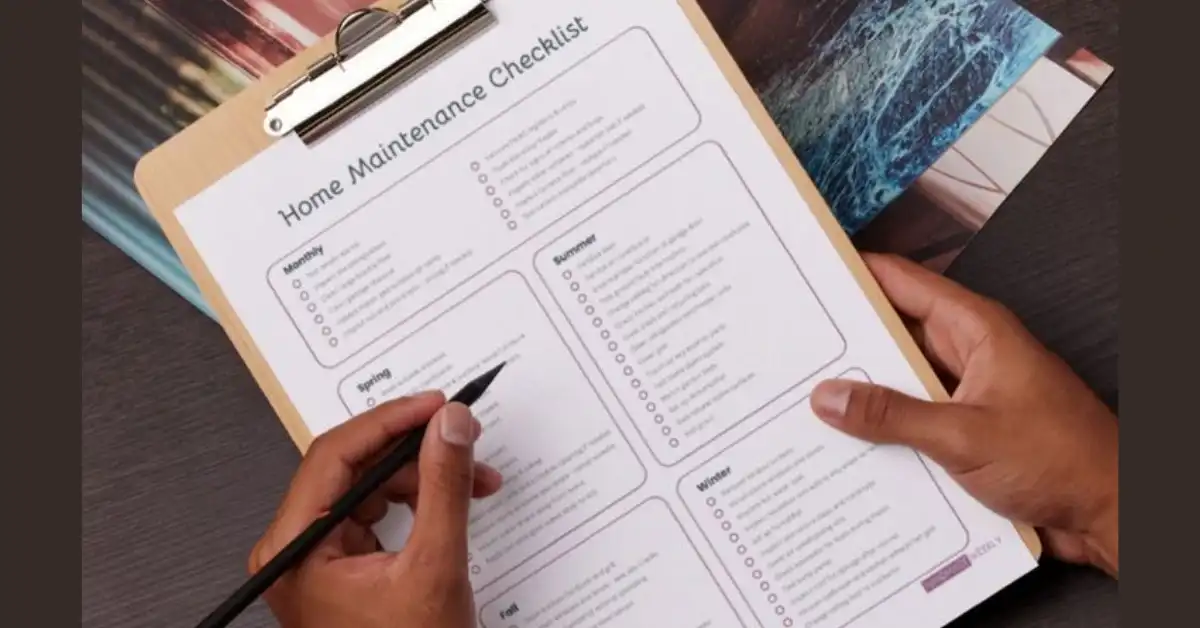
- Schedule professional plumbing checks at least once a year.
- Teach family members good habits — avoid pouring oils or hair down drains.
When to Call a Professional Plumber
While many minor issues can be fixed DIY, call a licensed plumber for:
- Persistent leaks inside walls.
- Major clogs that don’t respond to basic methods.
- Low pressure throughout the bathroom.
- Any electrical issues with geysers or pumps.
Conclusion
Bathroom plumbing problems are common but largely preventable with timely attention and the right approach. By understanding common issues like leaks, clogs, and low pressure, and applying simple fixes, you can maintain a functional, hygienic bathroom while saving water and money. Regular maintenance and upgrading to modern materials like CPVC pipes will significantly reduce future headaches.
Investing a little time and effort in your bathroom plumbing today will ensure smooth, trouble-free usage for years. A well-maintained bathroom contributes greatly to the overall comfort and value of your home.
FAQ
Q1: How can I stop a dripping tap quickly?
Turn off the water supply, replace the washer or cartridge. For modern taps, changing the cartridge is usually sufficient.
Q2: What is the best natural way to unclog bathroom drains?
Pour baking soda followed by vinegar, wait 15 minutes, then flush with hot water. Repeat if necessary.
Q3: Why is my shower pressure low?
Clogged showerhead aerators or mineral buildup in pipes are common causes. Soak the showerhead in vinegar to clean it.
Q4: How often should I get my bathroom plumbing checked?
At least once a year, preferably before and after the monsoon season.
Q5: Are chemical drain cleaners safe to use regularly?
No. They can damage pipes over time. Use them only occasionally for tough clogs.
Q6: What material is best for bathroom pipes in India?
CPVC pipes are highly recommended due to their corrosion resistance and durability in humid conditions.
Q7: How do I prevent mold in the bathroom?
Ensure good ventilation, wipe surfaces dry after use, and use anti-fungal cleaners regularly.