As pet ownership rises across India, more families are welcoming dogs, cats, birds, and even rabbits into their homes. Whether you live in a compact Mumbai apartment or a spacious Bangalore villa, creating a pet-friendly environment enhances the bond with your furry companions while maintaining cleanliness, safety, and aesthetics. A well-designed pet-friendly home reduces stress for both pets and owners, minimizes damage, and promotes harmony in multi-generational households.
Here are 5 practical and effective pet-friendly home design tips that balance functionality, Indian living realities, and modern design sensibilities.
1. Choose Durable and Easy-to-Clean Flooring
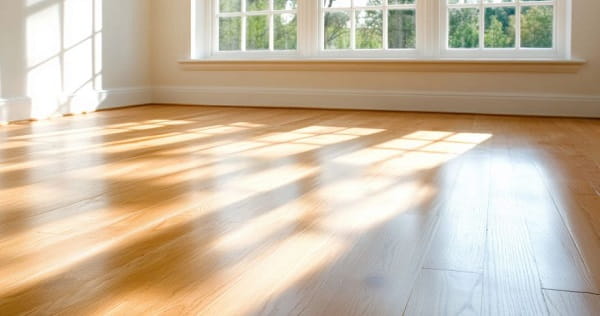
Flooring is the foundation of any pet-friendly home. Pets shed fur, track mud during monsoons, and occasionally have accidents, making traditional marble or delicate tiles challenging.
Best Options:
- Vitrified or ceramic tiles with matte or anti-skid finishes are excellent choices. They resist scratches, are easy to mop, and handle humidity well.
- Engineered wood or high-quality laminate in living areas offers warmth while being more resilient than solid hardwood.
- For luxury homes, consider porcelain tiles that mimic wood or stone but are far more practical.
Implementation Tips:
Use area rugs with non-slip backing in high-traffic zones. Place washable mats near entrances and pet feeding areas. In coastal or humid cities, prioritize moisture-resistant materials to prevent mold. Budget-friendly vitrified tiles can transform a home without breaking the bank while standing up to daily paw traffic.
2. Invest in Pet-Proof Furniture and Fabrics
Traditional wooden sofas and delicate upholstery often fall victim to scratching and shedding.
Smart Solutions:
- Choose leatherette or performance fabrics that are scratch-resistant, waterproof, and easy to wipe clean.
- Opt for elevated furniture or add protective covers that can be removed and washed.
- Select sturdy frames (solid wood or metal) that can withstand enthusiastic jumping.
- Incorporate dedicated pet furniture like elevated beds or window perches to redirect scratching behavior.
Indian Context: In joint families, neutral-coloured, durable sofas work best as they hide pet hair and withstand frequent use during gatherings. Modular furniture allows rearrangement when pets need space during festivals.
3. Create Dedicated Pet Zones
Designating specific areas for pets reduces chaos and helps them feel secure.
Ideas:
- Set up a cozy corner in the living room or bedroom with a comfortable bed, toys, and water station.
- Use baby gates or stylish room dividers to create pet-free zones if needed.
- Install vertical spaces like wall-mounted shelves or cat trees for cats to climb and observe.
- For dogs, create a feeding station with non-slip mats and storage for food and leashes.
Benefits: Dedicated zones minimize allergens in sleeping areas and make cleaning easier. In smaller apartments, multi-functional furniture with hidden storage for pet supplies is particularly useful.
4. Ensure Safety Features and Hazard Prevention
Pet-proofing goes beyond aesthetics to actual safety.
- Cover electrical outlets and secure loose wires.
- Install window guards or balcony netting — crucial in high-rise apartments.
- Use child-proof locks on cabinets containing cleaning supplies, medicines, and chocolates (toxic to dogs).
- Place non-slip rugs on slippery floors to prevent injuries.
- Install pet gates on staircases and keep balconies and terraces secure.
Monsoon Tip: Elevate pet beds and feeding areas to avoid dampness and flooding risks during heavy rains.
5. Integrate Greenery and Air Purification
Pets benefit from good air quality just as humans do.
- Choose pet-safe indoor plants like snake plants, spider plants, and areca palms that improve air quality without toxicity risks.
- Ensure proper ventilation to reduce pet dander and odors.
- Use HEPA air purifiers in rooms where pets spend most time.
- Create a small indoor garden or balcony green space where pets can enjoy fresh air safely.
Sustainability Angle: Pet-friendly homes often align with eco-conscious living, using natural materials and reducing chemical cleaners.
Conclusion
Designing a pet-friendly home in India is about striking the right balance between human comfort, pet happiness, and practical maintenance. By choosing durable flooring, investing in resilient furniture, creating dedicated zones, prioritizing safety, and incorporating air-purifying elements, you can build a space where both pets and family thrive. Start small — assess your current layout, prioritize high-impact changes like flooring and safety features, and gradually expand.
A thoughtfully designed pet-friendly home strengthens the human-animal bond, reduces stress, and creates a harmonious living environment. Whether you have a playful Labrador or a graceful Persian cat, these five tips will help you create a home that celebrates your pets while remaining stylish and functional. The effort you put into pet-friendly design today will reward you with years of joyful companionship and a home that truly feels complete.
FAQ
Q1: What is the most important thing to consider when making a home pet-friendly?
A: Safety is paramount. Focus on removing hazards like loose wires, toxic plants, and accessible cleaning supplies first.
Q2: Are leatherette sofas good for homes with pets?
A: Yes. They are durable, easy to clean, and resistant to scratches and hair compared to fabric sofas.
Q3: How can I manage pet hair in a small apartment?
A: Choose light-coloured furniture that hides hair less obviously, use washable covers, and vacuum regularly with a pet-specific vacuum cleaner.
Q4: What flooring is best for homes with dogs?
A: Vitrified tiles or textured porcelain are ideal as they are durable, non-slip, and easy to clean.
Q5: Are indoor plants safe around pets?
A: Many common plants are toxic. Stick to pet-safe varieties like spider plants, Boston ferns, and areca palms.
Q6: How do I create a pet zone in a small living room?
A: Use a corner with a comfortable bed, toys, and a non-slip mat. Vertical cat trees or wall-mounted shelves maximize space.
Q7: Should I childproof and pet-proof at the same time?
A: Yes. Many solutions overlap, especially outlet covers, cabinet locks, and stair gates. Planning for both makes the home safer for everyone.