A bright, breezy home does more than add aesthetic value to your living space. It feels calmer, smells fresher, and quietly trims your electricity bill. The good news is that you don’t need a major rebuild to get there. With a few thoughtful home design ideas, whether you’re planning from scratch or working with the walls you already have, daylight and airflow can be put to far better use.
Start with Smart Window Placement
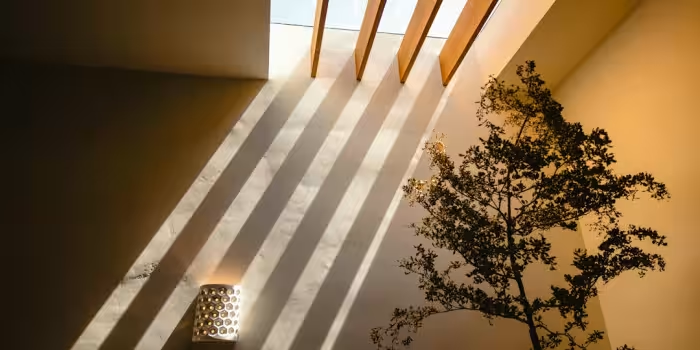
Take a look at where the sunlight enters your home during the day. In a new house, north- and east-facing openings can bring in daylight without too much afternoon heat, depending on the location. Having windows on opposite walls also helps air pass through the room when there’s a breeze. In an existing home, you could start by changing heavy curtains, clearing anything blocking the windows or checking whether a fixed window can be replaced with one that opens. Even these smaller changes may help.
Let Light Colours and Reflective Surfaces Do the Work
Wall colours are worth thinking about if your rooms don’t get much daylight. White, cream and other pale shades reflect more light than darker colours, which can make a room appear brighter. You don’t have to paint every wall white, though. A soft beige or light grey can work just as well, depending on your furniture and flooring. Mirrors are another option. Try placing one near a window where it can reflect daylight into the room. Light-coloured flooring and glass furniture can also help create a more open look. Just be careful with very glossy finishes, as too much reflection can cause glare, particularly in rooms that receive strong sunlight.
Open Up the Layout for Better Airflow
Sometimes, a room feels stuffy because the furniture or walls get in the way of natural airflow. If you’re building a new home, consider keeping the living, dining and kitchen areas more open, with windows positioned to let air pass through. For an existing house, smaller changes might be enough. A glazed door, half-height partition or transom window above a doorway can help make the space feel less enclosed. Even moving a bulky sofa or wardrobe away from a window can make a difference. Low-backed furniture is another option if you want more daylight to reach across the room.
Small Habits That Cut Energy Use
You don’t always need to change the design of your home to make better use of daylight and fresh air. Start with the windows you already have. Open them when the outdoor air is cooler, particularly during the early morning or evening. Keep the glass clean and use adjustable blinds to manage sunlight throughout the day. If a room gets too hot in the afternoon, closing the blinds can help reduce heat entering through the windows. Indoor plants can make a space look pleasant, although they shouldn’t be relied on for ventilation or air purification. Using daylight instead of switching on lamps during the day may also help reduce electricity use.
Bring More Daylight Home
Bringing in more sunshine and fresh air is less about big budgets and more about small, well-planned choices. From window positioning to pale walls, mirrors and open layouts, each change builds on the last to create a home that feels lighter, fresher and more efficient. Pick one or two of these ideas to begin with, see how your rooms respond, and keep going from there. Your home, and your energy bill, will thank you.