Bike rental vs car rental business looks like a simple question of vehicle size, but the legal barrier to entry is what separates them. A bike operator needs a handful of vehicles and a state permit. A self-drive car operator, under the standard rules, needs a fleet ten times bigger. That gap shapes who can start, how fast, and how much risk they carry.
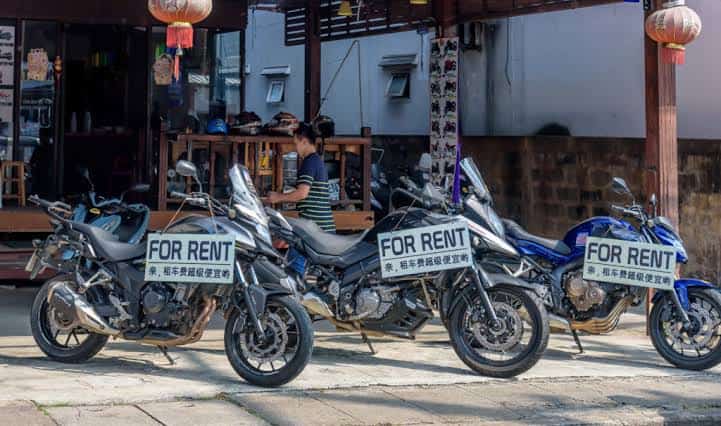
Two Fleets, Two Kinds of Customer
Each business serves a different trip, and that decides pricing and seasonality.
- Bike rental: scooters for daily commuting and short trips, plus cruisers and tourers for hill and adventure routes.
- Car rental: self-drive cars for intercity trips, family travel and occasional use, plus chauffeur-driven services for corporates.
- Commuting made up about 76.6% of India’s two-wheeler rental market in 2024, and individual consumers about 81%, according to one market report.
- Over four-fifths of two-wheeler rental transactions now begin on mobile apps.
The Licence Gap: 5 Bikes Versus 50 Cabs
Both are regulated, but the entry thresholds sit far apart.
- Bikes: the Rent a Motor Cycle Scheme, 1997 lets you apply to the state transport authority under Section 75 of the Motor Vehicles Act. The usual minimum is five motorcycles, commercially registered and comprehensively insured.
- Rented bikes carry black number plates with yellow letters. State rules differ, so check your transport department.
- Cars: the Rent-a-Cab Scheme, 1989 requires a licence from the State Transport Authority. An operator is defined as a permit holder for at least 50 cabs, with at least half air-conditioned.
- Older guides also list a 24-hour phone line, parking, maintenance facilities and presence in several cities. Some states add their own conditions.
- Rental cars also carry yellow-on-black plates.
Money: What’s Known and What Isn’t
Reliable unit economics are scarce for both, so treat any single figure with caution.
- I couldn’t find independently verified per-vehicle investment or profit data for either business.
- Some vendor blogs claim triple-digit annual returns on bike rental. That’s a marketing claim, not audited performance.
- Car aggregators charge hosts a commission of about 20–30% per booking, according to one platform guide.
- The same guide says building your own website and ads can cost ₹50,000–2,00,000 a month for a new operator.
- Ask any franchisor or platform for actual partner statements before buying vehicles.
Demand Patterns
Both businesses are tourism-linked, but bikes swing harder with the calendar.
- Post-monsoon windows lift two-wheeler rental volumes by roughly 40% over shoulder months.
- Tourists renting tourers and cruisers pay premium rates, and some operators sell guided routes and photography packages on top.
- Foreign riders need valid paperwork and sometimes an international licence, and missing documents can mean fines.
- Car rental demand comes from a gap between driving licence holders and car owners. Compact-car owners also rent bigger cars for intercity trips.
- One guide claims Tier 2 and Tier 3 cities account for 40% of new car rental bookings. Treat that as a vendor estimate.
Risk: Damage, Law and Season
Each fleet has a predictable problem that eats profit if you ignore it.
- Bikes: rough terrain strains machines, so maintenance costs can spiral without proper fleet management.
- Inconsistent readings of the Motor Vehicles Act have led to abrupt bans and litigation for app-based bike services.
- City-level licensing, helmet rules and caps on commercial permits vary widely.
- Cars: interstate tax terminals are a known headache for self-drive operators, since they stop alongside commercial vehicles.
- Higher vehicle values mean bigger losses from accidents, theft and damage disputes.
- Aggregator vehicles are typically required to be under seven years old, registered, insured and GPS-tracked.
The Shortcut Most Small Owners Take
Very few individuals can field 50 cabs, so most small car owners don’t hold a licence themselves. They attach their car to a licensed operator or list it on an aggregator, which supplies the licence, customers and insurance in exchange for a commission. Bike rental is the reverse: five vehicles is a reachable threshold, so an independent operator can hold their own licence, brand and customer base. That difference matters more than vehicle price. Car rental is easier to enter as a partner, while bike rental is easier to enter as an owner.
Choosing Your Fleet
The right choice depends on your capital, patience and how much control you want.
- Choose bike rental if you can fund five or more vehicles, sit near a tourist or commuter hub and want your own licensed brand.
- Choose car rental if you have one or a few cars, prefer to work through an aggregator and can accept commission cuts.
- Avoid a standalone car licence unless you can meet the fleet minimum and compliance load.
FAQs
Q1. Do I need a licence to rent out bikes in India?
Yes. The Rent a Motor Cycle Scheme, 1997 applies, with applications going to the state transport authority. The usual minimum is five commercially registered, insured bikes, but state rules vary.
Q2. Why can’t I just start a self-drive car rental with a few cars?
The Rent-a-Cab Scheme, 1989 defines an operator as a permit holder for at least 50 cabs. Small owners usually list cars on an aggregator or attach them to a licensed operator.
Q3. Which is more profitable, bike rental or car rental?
There’s no reliable independent data. Returns depend on utilisation, maintenance, insurance and season, and claims from vendors and platforms shouldn’t be treated as audited results.
Q4. How much do car rental platforms charge hosts?
One aggregator guide quotes about 20–30% commission per booking, charged only when the car is booked. Confirm terms, insurance cover and damage policy in writing before listing.