When it comes to managing muscle soreness, relieving stress, improving recovery, and supporting overall wellness, few methods are as simple and accessible as thermotherapy. Thermotherapy refers to the use of temperature-based treatments—specifically heat and cold—to promote healing and physical comfort. While athletes and healthcare professionals have used these techniques for years, hot and cold therapy are increasingly becoming popular home wellness practices.
Whether you’re dealing with post-workout soreness, tension from sitting at a desk all day, or simply looking for a way to relax and recharge, understanding how to use heat and cold therapy safely can be beneficial. This beginner’s guide will explain how thermotherapy works, its potential benefits, and how to incorporate it into your daily routine.
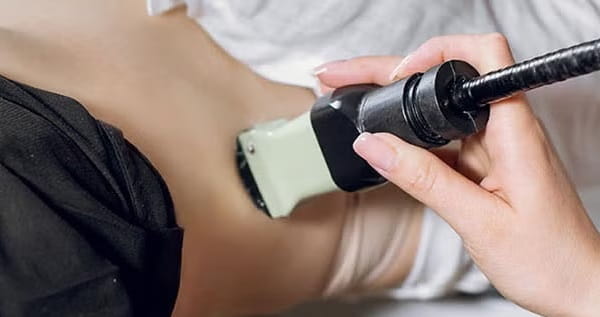
What Is Thermotherapy?
Thermotherapy is a wellness practice that uses temperature to influence the body’s tissues, circulation, and nervous system.
There are two primary forms:
Heat Therapy
Heat therapy involves applying warmth to the body to relax muscles, improve circulation, and reduce stiffness.
Examples include:
- Heating pads
- Warm baths
- Hot water bottles
- Warm towels
- Saunas
Cold Therapy
Cold therapy uses lower temperatures to help reduce swelling, numb discomfort, and support recovery.
Examples include:
- Ice packs
- Cold compresses
- Cold showers
- Ice baths
- Chilled gel packs
Both approaches serve different purposes and can be valuable tools depending on your needs.
How Heat Therapy Works
When heat is applied to the body, blood vessels expand in a process called vasodilation.
This increased circulation helps:
- Deliver oxygen and nutrients to tissues
- Relax tight muscles
- Improve flexibility
- Reduce feelings of stiffness
Heat is often most helpful for chronic muscle tension and general discomfort.
Benefits of Heat Therapy
Heat therapy may help:
- Relax sore muscles
- Improve mobility
- Reduce muscle stiffness
- Promote relaxation
- Ease tension after long workdays
- Support stress relief
Many people find warmth comforting, especially during periods of physical or mental stress.
Common Ways to Use Heat Therapy at Home
Warm Baths
A warm bath is one of the easiest ways to relax the entire body.
Adding Epsom salts may further enhance the relaxation experience, although the primary benefit comes from the warm water itself.
Heating Pads
Heating pads provide targeted warmth for areas such as:
- Lower back
- Neck
- Shoulders
- Legs
Use moderate heat and avoid prolonged exposure.
Warm Towels
A warm towel can provide quick relief for tight muscles and is an inexpensive option for home use.
Saunas
Saunas expose the body to dry or moist heat and are commonly used for relaxation and recovery.
Always stay hydrated and follow safety guidelines when using sauna facilities.
How Cold Therapy Works
Cold therapy causes blood vessels to constrict, a process known as vasoconstriction.
This response can help:
- Reduce swelling
- Limit inflammation
- Slow nerve activity
- Provide a temporary numbing effect
Cold exposure can also create an alert and refreshing sensation that many people find energizing.
Benefits of Cold Therapy
Cold therapy may help:
- Reduce swelling after activity
- Relieve minor aches and pains
- Support post-exercise recovery
- Increase alertness
- Promote mental resilience
Many people enjoy cold therapy as part of their wellness routine because of its invigorating effects.
Common Ways to Use Cold Therapy at Home
Ice Packs
Ice packs are frequently used for targeted areas that feel sore or swollen.
Always place a cloth between the ice pack and your skin to prevent irritation.
Cold Showers
Cold showers are becoming increasingly popular among wellness enthusiasts.
A brief cold shower may:
- Increase alertness
- Boost energy levels
- Provide a refreshing start to the day
Beginners can start with cool water and gradually decrease the temperature over time.
Cold Compresses
Cold compresses are convenient for smaller areas such as the forehead, neck, or joints.
Ice Baths
Ice baths are commonly used by athletes after intense physical activity.
Because they involve significant cold exposure, beginners should approach them cautiously and gradually.
When to Use Heat vs. Cold
One of the most common questions is knowing when to use heat and when to use cold.
Heat May Be Better For:
- Muscle tightness
- Chronic stiffness
- Stress relief
- Relaxation
- Improving flexibility
Cold May Be Better For:
- Recent injuries
- Swelling
- Inflammation
- Post-workout recovery
- Temporary pain relief
Understanding the purpose of each method helps maximize benefits.
What Is Contrast Therapy?
Contrast therapy involves alternating between hot and cold exposure.
For example:
- Warm shower for several minutes
- Followed by cool or cold water for a short period
Some people use contrast therapy to stimulate circulation and enhance recovery.
Although more research is needed in some areas, many individuals find this practice refreshing and invigorating.
Safety Tips for Beginners
Thermotherapy is generally safe when used responsibly, but precautions are important.
Heat Therapy Safety
- Avoid extremely high temperatures
- Limit sessions if discomfort occurs
- Never fall asleep with heating devices
- Stay hydrated during heat exposure
Cold Therapy Safety
- Avoid placing ice directly on bare skin
- Limit cold exposure to appropriate durations
- Stop if numbness becomes excessive
- Warm up gradually afterward
If you have medical conditions involving circulation, nerve sensitivity, heart health, or other concerns, consult a healthcare professional before starting hot or cold therapy.
Incorporating Thermotherapy Into Your Wellness Routine
You don’t need a complicated routine to benefit from thermotherapy.
Simple examples include:
Morning
- Brief cool shower for alertness
After Exercise
- Cold pack for soreness if needed
Evening
- Warm bath or heating pad for relaxation
Stressful Days
- Warm compress on the neck and shoulders
Small, consistent practices can support recovery and overall comfort.
The Connection Between Thermotherapy and Wellness
Beyond physical recovery, temperature-based therapies may support mental well-being.
Many people report that heat and cold exposure help them:
- Feel more relaxed
- Improve body awareness
- Create healthy self-care routines
- Reduce daily stress
While thermotherapy is not a replacement for medical treatment, it can be a valuable addition to a healthy lifestyle.
Final Thoughts
Thermotherapy offers a simple, affordable, and accessible way to support physical recovery and overall wellness. By understanding the differences between heat therapy and cold therapy, beginners can safely use these techniques to reduce muscle tension, promote relaxation, improve recovery, and enhance daily comfort.
Whether you choose a warm bath after a long day, a cold shower to boost alertness, or a combination of both, the key is to listen to your body and start gradually. Sometimes the most effective wellness practices are not complicated at all—they involve simple tools that have been helping people feel better for generations.