For decades, the beauty and skincare industry has been dominated by one powerful phrase: anti-aging. Countless creams, serums, treatments, and supplements have been marketed with promises to erase wrinkles, reverse aging, and help people look younger. However, a new concept is gaining momentum among dermatologists, skincare experts, and wellness professionals—skin longevity.
Rather than focusing on fighting the natural aging process, skin longevity emphasizes maintaining healthy, resilient, and functional skin throughout life. This shift reflects a growing understanding that aging is inevitable, but skin health can be supported in ways that improve appearance, comfort, and long-term function.
So, which approach does science support? Is anti-aging still the gold standard, or is skin longevity a better path? Let’s explore what current research and expert opinion suggest.
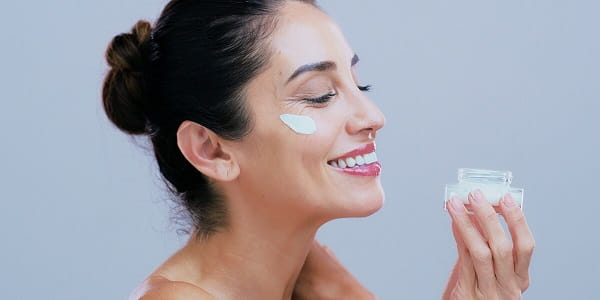
Understanding the Anti-Aging Approach
The traditional anti-aging model focuses on minimizing visible signs of aging.
Common goals include:
- Reducing wrinkles
- Smoothing fine lines
- Improving skin firmness
- Fading age spots
- Restoring a youthful appearance
Many anti-aging products target cosmetic concerns and aim to make skin look younger than its chronological age.
While there is nothing wrong with wanting healthier-looking skin, critics argue that the anti-aging mindset often treats aging itself as a problem to be solved.
This perspective can create unrealistic expectations and encourage people to chase short-term cosmetic improvements rather than long-term skin health.
What Is Skin Longevity?
Skin longevity takes a different approach.
Instead of trying to stop aging, it focuses on helping skin remain healthy, strong, and functional for as long as possible.
The goal is to support:
- Skin barrier function
- Hydration
- Collagen preservation
- Cellular repair
- Protection against environmental damage
- Long-term skin resilience
Skin longevity recognizes that aging is natural but emphasizes optimizing skin health at every stage of life.
This approach aligns more closely with modern preventive healthcare principles.
What Science Says About Skin Aging
Aging affects the skin in several ways.
As we grow older:
- Collagen production declines
- Skin becomes thinner
- Elasticity decreases
- Moisture retention changes
- Cell turnover slows
- Environmental damage accumulates
Factors influencing skin aging include:
Intrinsic Aging
This refers to the natural biological aging process that occurs over time.
It is influenced by:
- Genetics
- Hormonal changes
- Cellular aging
Extrinsic Aging
This involves external factors such as:
- Sun exposure
- Pollution
- Smoking
- Poor nutrition
- Chronic stress
- Lack of sleep
Interestingly, research suggests that many visible signs of skin aging are strongly linked to extrinsic factors, especially ultraviolet (UV) radiation.
This means lifestyle choices can significantly influence how skin ages.
Why Skin Longevity Is Gaining Popularity
The skin longevity movement focuses on preserving skin health rather than attempting to eliminate every sign of aging.
Several factors contribute to its growing popularity:
It Emphasizes Prevention
Preventing damage is often more effective than trying to reverse it later.
Daily habits such as sun protection, hydration, and healthy nutrition can significantly influence long-term skin health.
It Supports Skin Function
Healthy skin performs important tasks including:
- Protecting against pathogens
- Regulating temperature
- Preventing moisture loss
- Supporting immune function
Skin longevity prioritizes these essential functions.
It Encourages Sustainable Habits
Rather than relying solely on corrective treatments, skin longevity focuses on habits that can be maintained for years.
The Most Effective Science-Backed Strategies
Whether your goal is anti-aging or skin longevity, science consistently supports several key practices.
Daily Sun Protection
If there is one skincare habit with overwhelming scientific support, it is sunscreen use.
Ultraviolet exposure is one of the leading causes of premature skin aging.
Daily sunscreen can help:
- Reduce wrinkles
- Prevent pigmentation
- Protect collagen
- Lower skin cancer risk
Many dermatologists consider sunscreen the most effective anti-aging and skin longevity tool available.
Maintaining Skin Hydration
Hydrated skin generally appears healthier, smoother, and more resilient.
Strategies include:
- Using moisturizers
- Drinking adequate fluids
- Avoiding excessive skin irritation
Supporting the skin barrier helps maintain moisture and reduce sensitivity.
Retinoids and Retinol
Retinoids are among the most extensively studied skincare ingredients.
Research suggests they can:
- Support collagen production
- Improve skin texture
- Reduce fine lines
- Encourage cell turnover
When used appropriately, retinoids can support both cosmetic appearance and long-term skin health.
Antioxidants
Antioxidants help combat oxidative stress caused by environmental factors.
Common antioxidants include:
- Vitamin C
- Vitamin E
- Polyphenols
These compounds may help protect skin cells from damage over time.
The Role of Lifestyle in Skin Longevity
Healthy skin is not created by skincare products alone.
Lifestyle choices play a major role in skin aging and resilience.
Nutrition
A balanced diet rich in:
- Fruits
- Vegetables
- Healthy fats
- Lean proteins
Provides nutrients that support skin structure and repair.
Sleep
During sleep, the body performs important recovery and repair processes.
Chronic sleep deprivation may contribute to skin dullness, inflammation, and premature aging.
Stress Management
Long-term stress can affect hormone levels and contribute to skin issues.
Practices such as:
- Meditation
- Exercise
- Deep breathing
- Mindfulness
May support overall skin health indirectly.
Avoiding Smoking
Smoking is strongly associated with accelerated skin aging and collagen breakdown.
Avoiding tobacco remains one of the most important steps for maintaining healthy skin.
Why the Conversation Is Changing
The term “anti-aging” is increasingly being replaced by phrases such as:
- Healthy aging
- Age-positive skincare
- Skin longevity
- Preventive skincare
This shift reflects a broader cultural movement toward embracing aging while still supporting health and appearance.
Rather than trying to look 20 forever, many people now prioritize:
- Healthy skin
- Comfort
- Confidence
- Long-term wellness
The focus becomes preservation rather than perfection.
Skin Longevity vs Anti-Aging: Which Is Better?
The answer is not necessarily one or the other.
Many traditional anti-aging practices—such as sunscreen use, retinoids, and antioxidant protection—also support skin longevity.
The key difference lies in the mindset.
Anti-aging often focuses on fighting visible signs of aging.
Skin longevity focuses on supporting skin health, function, and resilience throughout life.
From a scientific perspective, the most effective approach combines preventive care, healthy lifestyle habits, and evidence-based skincare practices.
Final Thoughts
As skincare science continues to evolve, the conversation is shifting from anti-aging to skin longevity. Rather than treating aging as something to fear or reverse, the skin longevity approach encourages people to care for their skin in ways that support long-term health, strength, and resilience.
Science consistently shows that habits such as daily sun protection, hydration, quality sleep, proper nutrition, stress management, and evidence-based skincare can help maintain healthy skin throughout life. While no product can stop aging entirely, supporting your skin’s natural functions can help it look and feel its best for years to come.
Ultimately, the goal is not to avoid aging—it is to age well, with healthy skin that continues to serve and protect you at every stage of life.