Modern life can place enormous demands on the body and mind. From work deadlines and financial pressures to family responsibilities and constant digital connectivity, many people spend their days in a state of chronic stress. While occasional stress is a normal part of life, prolonged stress can keep the nervous system in a heightened state of alertness, making it difficult to relax, focus, sleep, and feel emotionally balanced.
This is where nervous system regulation becomes important. Nervous system regulation refers to the practices and habits that help your body move from a state of stress and tension into a state of calm, recovery, and balance. When your nervous system is regulated, you are better able to manage challenges, think clearly, maintain emotional stability, and support your overall health.
The good news is that you don’t need expensive treatments or complicated wellness routines to help your body reset. Here are five simple and effective ways to regulate your nervous system and feel more grounded today.
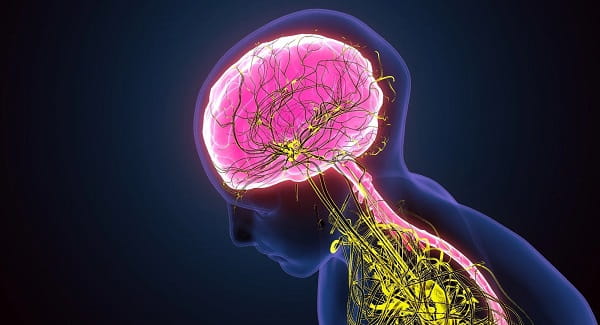
Understanding the Nervous System
Before exploring practical techniques, it helps to understand how the nervous system works.
The autonomic nervous system has two primary branches:
Sympathetic Nervous System
Often called the “fight-or-flight” system, this branch prepares the body to respond to stress.
When activated, it can:
- Increase heart rate
- Raise blood pressure
- Heighten alertness
- Release stress hormones
- Tense muscles
This response is helpful during emergencies but can become problematic when activated constantly.
Parasympathetic Nervous System
Known as the “rest-and-digest” system, this branch helps the body recover and restore balance.
When activated, it can:
- Slow heart rate
- Improve digestion
- Promote relaxation
- Support recovery
- Reduce stress hormones
Nervous system regulation focuses on encouraging this calming response.
Signs Your Nervous System May Need Support
Your body often provides signals when stress levels become excessive.
Common signs include:
- Constant anxiety or worry
- Difficulty sleeping
- Muscle tension
- Irritability
- Brain fog
- Fatigue
- Digestive discomfort
- Feeling overwhelmed
If these symptoms sound familiar, incorporating nervous system regulation practices may help.
1. Practice Slow, Deep Breathing
Breathing is one of the fastest and most effective ways to influence the nervous system.
When you’re stressed, breathing often becomes shallow and rapid. Slow, intentional breathing signals safety to the brain and helps activate the parasympathetic nervous system.
Try This Simple Exercise
- Inhale slowly through your nose for four seconds
- Hold for four seconds
- Exhale gently through your mouth for six seconds
- Repeat for two to five minutes
Longer exhalations are particularly effective because they encourage relaxation and reduce stress responses.
Even a few minutes of conscious breathing can create noticeable improvements in calmness and focus.
2. Move Your Body
Physical movement is a powerful tool for nervous system regulation.
Stress often creates excess physical tension and energy within the body. Movement helps release that tension and supports emotional regulation.
You don’t need an intense workout.
Effective options include:
- Walking
- Stretching
- Yoga
- Dancing
- Light cycling
- Mobility exercises
A short 10- to 20-minute walk outdoors can improve mood, reduce stress hormones, and help reset your nervous system.
The goal is gentle, enjoyable movement rather than pushing yourself to exhaustion.
3. Spend Time in Nature
Nature has a remarkable ability to calm the mind and body.
Research has shown that spending time in natural environments can help lower stress levels, reduce blood pressure, and improve overall well-being.
Simple ways to connect with nature include:
- Walking in a park
- Sitting under a tree
- Gardening
- Visiting a beach
- Spending time in green spaces
Even a few minutes outdoors can help shift your nervous system away from stress and toward relaxation.
Nature provides a break from screens, noise, and constant stimulation that often contribute to nervous system overload.
4. Reduce Sensory Overload
Modern life exposes us to a constant stream of information, notifications, sounds, and visual stimulation.
While technology offers many benefits, excessive sensory input can keep the nervous system in a state of heightened alertness.
To support regulation:
- Turn off unnecessary notifications
- Take breaks from social media
- Lower background noise
- Limit multitasking
- Create quiet moments during the day
A brief digital detox can provide your brain with an opportunity to rest and recover.
Even setting aside 15 to 30 minutes of uninterrupted quiet time can help reduce mental fatigue and stress.
5. Practice Grounding Techniques
Grounding exercises help bring your attention back to the present moment.
When stress or anxiety increases, the mind often becomes focused on future worries or past experiences.
Grounding techniques reconnect you with your immediate surroundings and help create a sense of stability.
Try the 5-4-3-2-1 Method
Identify:
- 5 things you can see
- 4 things you can touch
- 3 things you can hear
- 2 things you can smell
- 1 thing you can taste
This simple exercise engages the senses and helps calm an overactive mind.
Grounding techniques can be especially useful during periods of stress, anxiety, or emotional overwhelm.
Building a Daily Regulation Routine
While these strategies can provide immediate relief, consistency is key for long-term nervous system health.
Consider incorporating small practices into your daily routine:
Morning
- Deep breathing
- Gentle stretching
- Brief outdoor exposure
Midday
- Short walk
- Hydration
- Micro-breaks from screens
Evening
- Reduced screen time
- Journaling
- Relaxation exercises
Regular regulation practices help train the nervous system to recover more efficiently from daily stressors.
The Connection Between Wellness and Nervous System Health
Many aspects of health are directly influenced by nervous system function.
A regulated nervous system can support:
- Better sleep
- Improved digestion
- Enhanced focus
- Emotional balance
- Stronger immune function
- Increased energy levels
When the body feels safe and balanced, it can devote more resources to healing, recovery, and overall well-being.
Final Thoughts
Nervous system regulation is not about eliminating stress entirely. Stress is a normal and unavoidable part of life. The goal is to help your body recover effectively and return to a state of balance after challenges occur.
Simple practices such as deep breathing, gentle movement, spending time in nature, reducing sensory overload, and grounding exercises can have a powerful impact on how you feel both physically and emotionally. These techniques require little time, cost nothing, and can be used almost anywhere.
If you’re feeling overwhelmed, exhausted, or disconnected, start with just one of these strategies today. Small, consistent actions can help calm your nervous system, improve your resilience, and support your overall health. Sometimes the most effective wellness practices are also the simplest.