In today’s hyperconnected world, our brains are processing more information than ever before. From smartphones and social media notifications to emails, video meetings, streaming platforms, and endless online content, we are constantly exposed to digital stimulation. While technology offers incredible convenience and opportunities, excessive exposure can leave us feeling mentally exhausted, distracted, and overwhelmed.
This growing phenomenon is often referred to as digital sensory overload. When combined with prolonged screen time and information consumption, it can contribute to mental fatigue, reduced focus, irritability, and even physical symptoms such as headaches and poor sleep.
The good news is that recovery is possible. By understanding how digital overload affects the mind and adopting healthy habits, you can restore mental clarity, improve focus, and create a healthier relationship with technology.
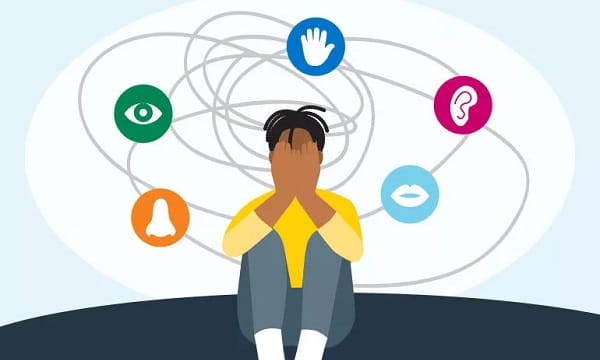
What Is Digital Sensory Overload?
Digital sensory overload occurs when the brain receives more information and stimulation than it can comfortably process.
Sources of digital overload include:
- Constant notifications
- Social media scrolling
- Video calls and online meetings
- Streaming content
- News updates
- Multitasking between devices
- Excessive screen exposure
The brain is continuously required to switch attention, process new information, and respond to incoming stimuli.
Over time, this can overwhelm cognitive resources and contribute to mental exhaustion.
Understanding Mental Fatigue
Mental fatigue is different from physical tiredness.
While your body may feel fine, your brain may struggle to maintain concentration, motivation, and decision-making ability.
Common symptoms include:
- Difficulty focusing
- Brain fog
- Reduced productivity
- Forgetfulness
- Irritability
- Lack of motivation
- Mental exhaustion
- Increased stress
Many people mistakenly assume they need more caffeine or stimulation when what they actually need is recovery and rest.
Why Digital Overload Happens
Modern technology is designed to capture and maintain attention.
Notifications, messages, videos, and social media feeds continuously compete for our focus.
Several factors contribute to overload:
Information Overload
The average person consumes vast amounts of information daily, far more than previous generations.
Constant Availability
Many people feel pressure to remain connected and responsive at all times.
Frequent Task Switching
Moving between emails, messages, meetings, and projects forces the brain to repeatedly shift attention.
Lack of Recovery Time
Without intentional breaks, the brain has little opportunity to rest and process information.
These factors can gradually drain mental energy and reduce overall well-being.
Signs You Need a Digital Reset
You may be experiencing digital sensory overload if you regularly:
- Feel exhausted after screen time
- Check your phone compulsively
- Struggle to focus on one task
- Feel anxious when disconnected
- Experience eye strain
- Have trouble sleeping
- Feel overwhelmed by notifications
Recognizing these signs is the first step toward recovery.
1. Create Screen-Free Periods
One of the most effective ways to reduce digital overload is to schedule intentional breaks from screens.
Consider establishing:
- A screen-free morning routine
- Device-free meals
- Evening technology limits
- Weekly digital detox periods
Even short periods away from screens allow the brain to recover from constant stimulation.
You don’t need to eliminate technology completely—simply create moments of genuine disconnection.
2. Reduce Notifications
Notifications are one of the biggest contributors to mental fatigue.
Every alert interrupts your attention and forces your brain to refocus.
To reduce cognitive overload:
- Turn off non-essential notifications
- Disable unnecessary app alerts
- Silence social media notifications
- Use “Do Not Disturb” modes during focused work
Fewer interruptions help preserve mental energy and improve concentration.
3. Practice Single-Tasking
Many people believe multitasking improves productivity, but research suggests frequent task-switching can increase mental fatigue.
Instead, focus on one activity at a time.
Examples include:
- Responding to emails during dedicated periods
- Completing one project before switching tasks
- Avoiding phone use while watching videos or attending meetings
Single-tasking reduces cognitive strain and often improves work quality.
4. Spend Time in Nature
Nature provides a powerful contrast to the digital environment.
Natural settings offer fewer artificial stimuli and encourage relaxation.
Activities may include:
- Walking in a park
- Gardening
- Hiking
- Sitting outdoors
- Visiting green spaces
Research suggests that time in nature can help reduce stress, restore attention, and improve mood.
Even a short outdoor break can make a noticeable difference.
5. Support Your Nervous System
Digital overload often keeps the nervous system in a heightened state of alertness.
To encourage relaxation:
Practice Deep Breathing
Slow breathing helps calm the body’s stress response.
Try Mindfulness
Mindfulness encourages present-moment awareness and reduces mental clutter.
Stretch or Move
Gentle movement helps release tension accumulated during long periods of screen use.
These simple practices help restore balance and support recovery.
6. Improve Sleep Hygiene
Excessive digital stimulation can interfere with sleep quality.
Blue light exposure and mental engagement before bedtime may make it harder to fall asleep.
Support better sleep by:
- Limiting screens before bed
- Using dim lighting in the evening
- Creating a relaxing bedtime routine
- Keeping devices out of the bedroom when possible
Quality sleep is one of the most important tools for recovering from mental fatigue.
7. Declutter Your Digital Environment
A cluttered digital workspace can contribute to feelings of overwhelm.
Consider simplifying:
- Desktop files
- Browser tabs
- Email inboxes
- Smartphone apps
A more organized digital environment reduces unnecessary distractions and improves focus.
Digital minimalism can significantly reduce cognitive load.
8. Reconnect With Offline Activities
One of the best ways to recover from digital overload is to engage in activities that don’t involve screens.
Examples include:
- Reading physical books
- Journaling
- Exercising
- Cooking
- Spending time with family and friends
- Pursuing creative hobbies
Offline experiences provide mental variety and help restore balance.
The Importance of Recovery
Just as athletes need recovery after physical exertion, the brain requires recovery after periods of intense mental activity.
Recovery allows the brain to:
- Consolidate information
- Restore attention
- Reduce stress
- Improve emotional regulation
- Enhance creativity
Without adequate recovery, mental fatigue can accumulate and affect overall health.
Building Long-Term Digital Wellness
The goal is not to reject technology but to use it more intentionally.
Healthy digital habits include:
- Setting boundaries around screen time
- Taking regular breaks
- Prioritizing real-world experiences
- Protecting sleep
- Managing information consumption
Small changes can create significant improvements over time.
Final Thoughts
Digital sensory overload and mental fatigue have become common challenges in an increasingly connected world. Constant notifications, endless information, and prolonged screen exposure can leave the brain overwhelmed and depleted. Fortunately, recovery doesn’t require drastic measures.
By creating screen-free periods, reducing notifications, spending time in nature, improving sleep, practicing mindfulness, and reconnecting with offline activities, you can restore mental clarity and reduce cognitive overload. The key is balance. Technology is a valuable tool, but your brain also needs periods of rest, quiet, and recovery.
Taking even a few small steps today can help you feel more focused, energized, and mentally refreshed. In a world filled with constant stimulation, protecting your attention may be one of the most important wellness practices of all.