In today’s fast-paced Indian lifestyle, maintaining a clutter-free home is both a challenge and a necessity. With compact urban apartments, joint family living, frequent festivals, and the accumulation of seasonal items, clothes, and utensils, clutter can quickly overwhelm even the most organized spaces. A cluttered home not only looks messy but also affects mental well-being, productivity, and family harmony. Studies show that a tidy environment reduces stress, improves focus, and creates a more welcoming atmosphere for daily life and celebrations.
Creating and sustaining a clutter-free home doesn’t require expensive storage solutions or drastic lifestyle changes. It involves mindful habits, smart systems, and consistent effort. This guide provides practical strategies tailored for Indian homes to help you organise your space efficiently and maintain it long-term.
Start with a Mindset Shift and Decluttering
The foundation of an organised home is ruthless decluttering. Indian households often hold onto items “just in case” — old clothes, broken appliances, festival decorations, and gifts received over the years.
Step-by-Step Decluttering Process:
- Room-by-Room Approach: Tackle one room at a time to avoid overwhelm. Start with high-traffic areas like the living room or bedroom.
- Four-Box Method: Use four boxes — Keep, Donate/Sell, Recycle, and Trash. Be honest about what you truly need.
- Seasonal Review: Before every major festival (Diwali, Eid, Christmas), sort through clothes, decorations, and kitchen items. Donate what you haven’t used in the past year.
- Digital Declutter: Organise phone photos, documents, and emails to reduce mental clutter that spills into physical spaces.
Indian Tip: During Diwali or house cleaning seasons, involve the entire family. Turn decluttering into a bonding activity while teaching children the value of minimalism.
Implement Smart Storage Solutions
Effective storage is key to maintaining a clutter-free home in space-constrained Indian apartments.
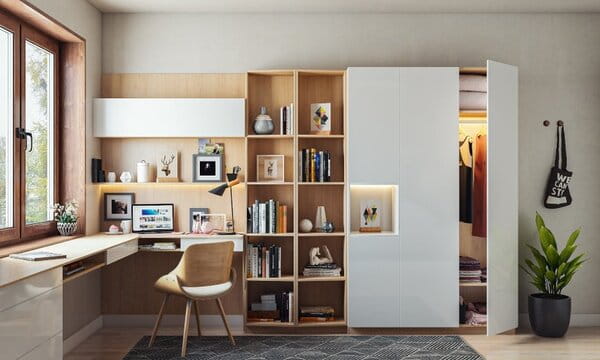
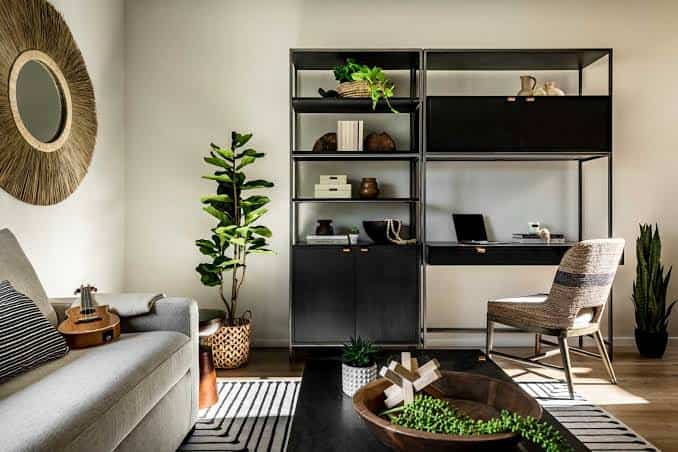
- Vertical Storage: Use wall-mounted shelves, tall cabinets, and over-the-door organisers to maximise vertical space.
- Multi-Functional Furniture: Invest in hydraulic storage beds, ottomans with hidden compartments, and sofa-cum-beds. These are particularly useful in 1BHK and 2BHK homes.
- Modular Systems: Modular wardrobes, kitchen cabinets, and shoe racks allow customisation according to your needs and can grow with your family.
- Clear Labelling: Use transparent containers and clear labels for easy identification — especially helpful for seasonal clothes and kitchen spices.
Budget-Friendly Ideas: Repurpose old suitcases, crates, and cardboard boxes with decorative covers. Hanging organisers and under-bed storage boxes are inexpensive yet highly effective.
Create Designated Zones
A clutter-free home has a place for everything.
- Entryway Zone: Install a shoe rack, wall hooks for keys and bags, and a small bench for quick organisation when entering.
- Kitchen Zones: Dedicate areas for cooking, cleaning, and storage. Use drawer organisers and spice racks to keep counters clear.
- Living Room Systems: Use coffee tables with storage and media units with closed cabinets to hide wires and gadgets.
- Bedroom Systems: Separate “daily wear” and “occasional wear” sections in wardrobes. Use drawer dividers for smaller items.
Family Tip: Assign specific storage areas for each family member, especially children, to encourage personal responsibility.
Develop Daily and Seasonal Habits
Organisation is sustained through habits, not one-time efforts.
- Daily 10-Minute Rule: Spend 10 minutes every evening tidying up — put things back in their designated places.
- One-In, One-Out Rule: For every new item brought into the home, remove one old item.
- Seasonal Reset: Before and after monsoons and major festivals, conduct a full home reset. Store seasonal items (winter clothes, festive decorations) in clearly labelled boxes.
- Paper Management: Digitise important documents and use a simple filing system for physical papers to avoid pile-ups.
Monsoon-Specific Tip: Elevate furniture and use moisture absorbers in wardrobes to prevent dampness-related clutter and damage.
Technology and Tools to Help
Modern tools can simplify organisation significantly.
- Use apps like Google Keep, Notion, or Tody for maintenance reminders.
- Smart storage solutions such as vacuum-sealed bags for seasonal clothes.
- Label makers and clear storage containers for visual organisation.
Benefits of a Clutter-Free Home
A well-organised home reduces stress, saves time searching for items, improves family relationships, and creates a welcoming environment for guests. It also makes cleaning easier and supports better mental health — an increasingly important factor in today’s busy Indian households.
Conclusion
Achieving and maintaining a clutter-free home is a journey, not a destination. By starting with decluttering, implementing smart storage, creating zones, building daily habits, and using helpful tools, you can transform your living space into an organised, peaceful sanctuary. The key is consistency and involving the entire family in the process.
Remember, the goal is not perfection but a functional, comfortable home that supports your lifestyle. Begin with one room or one habit today, and gradually expand. A clutter-free home is not just visually pleasing — it nurtures clarity, calm, and joy for everyone who lives in it. Embrace the process, and you’ll soon discover how much lighter and happier your home — and life — can feel.
FAQ
Q1: How do I start decluttering a very messy home?
A. Begin with one small area, such as a single drawer or shelf. Use the Four-Box method and set a timer for 15–20 minutes per session to avoid burnout.
Q2: What is the best storage solution for small Indian apartments?
A. Hydraulic storage beds, wall-mounted shelves, and modular furniture are highly effective for maximising limited space.
Q3: How can I involve my family in keeping the home organised?
A. Assign age-appropriate responsibilities to each member and make organisation a shared family goal with small rewards for consistency.
Q4: How do I maintain organisation during festivals and special occasions?
A. Designate temporary storage areas for festive items and schedule a post-festival reset to return everything to its place.
Q5: Are expensive storage solutions necessary?
A. No. Many effective solutions can be created using affordable local products, repurposed items, and DIY methods.
Q6: How often should I declutter my home?
A. Seasonal decluttering (before and after monsoons and major festivals) plus monthly mini-sessions work best for most families.
Q7: Can a cluttered home affect mental health?
A. Yes. Research shows that clutter increases stress, anxiety, and mental fatigue. A organised home promotes calmness and better focus.